If you’ve ever worked in an industrial setting—from a metal fabrication shop to a heat treatment facility—you know how critical a hood furnace is for consistent, high-temperature processing. As a hood furnace supplier, I talk to customers every week who underestimate the impact of regular, proper cleaning on their equipment’s lifespan, efficiency, and even product quality. A dirty hood furnace isn’t just a minor nuisance; it can lead to uneven heating, shortened component life, safety hazards, and costly downtime. In this post, I’ll break down the science of hood furnace cleaning, share step-by-step processes I’ve seen work for our own clients, and explain why this maintenance shouldn’t be an afterthought. Hood Furnace
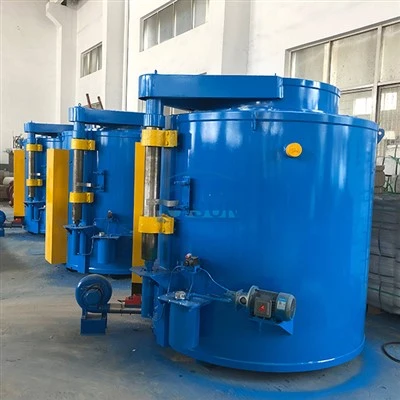
First, let’s clarify what a hood furnace is and why its specific design demands targeted cleaning. Unlike batch furnaces with fixed chambers, a hood furnace features a removable, dome-shaped hood that sits atop a base chamber holding the load. This design makes it ideal for heating large, heavy parts—like metal forgings, heat-treated components, or ceramics—because the hood creates a sealed, controlled atmosphere when lowered. But that same sealed space traps byproducts of the heating process: volatile organic compounds (VOCs) from oils or lubricants on parts, scale from metal surfaces, and ash from fuel sources (if you use gas or oil models, not electric). Over time, these residues build up on the hood’s inner walls, heating elements, gas ports, and the base chamber’s floor. If left uncleaned, they can insulate heating elements, reduce furnace temperature accuracy, and even cause flammable residues to ignite unexpectedly during operation.
The first rule of hood furnace cleaning is to never rush the process, and always follow lockout/tagout (LOTO) procedures. I can’t stress this enough: before you touch any part of the furnace, turn off the power, gas supply, and any cooling systems, and tag the controls to prevent accidental activation. Our team at [our company, name withheld] has seen too many near-misses where a worker assumed the furnace was cold only to have residual heat cause a burn. Let the furnace cool completely—usually 12 to 24 hours, depending on its operating temperature—to avoid thermal burns and damage to sensitive components like heating elements.
Once the furnace is fully cool and locked out, the cleaning process splits into three core areas: the hood itself, the base chamber, and auxiliary components like heating elements and gas lines. Let’s start with the hood, since it’s the most unique part of the design. First, remove the hood from the base chamber using the furnace’s lifting mechanism (most commercial hood furnaces come with an electric hoist for this). Set it on a stable, non-combustible work surface—concrete or heavy steel is ideal, not wood or plastic. The inner walls of the hood are covered in a refractory lining designed to withstand high heat, but that lining can build up with a hard, baked-on residue called “furnace scale.” For light buildup, use a stiff, nylon-bristle brush (metal brushes can scratch the refractory, leading to cracks that compromise the furnace’s atmosphere) to scrub away loose dust and small scale particles. For thicker, baked-on residues, we recommend a chemical degreaser that’s specifically formulated for high-temperature furnace components—avoid generic industrial cleaners, as they can leave a residue that burns off during operation and contaminates your next load. Spray the degreaser evenly on the hood’s inner walls, let it sit for 15 to 20 minutes (follow the manufacturer’s instructions for dwell time), then use a plastic scraper to loosen the residue. Wipe the surface clean with a lint-free, heat-resistant cloth, and repeat if necessary until the lining is smooth.
Next, move to the base chamber. Empty all remaining parts, racks, and insulation from the chamber. The floor of the base chamber is where the heaviest scale and ash accumulate, especially if you run high-volume metal processing. Start by sweeping up loose debris with a shop vacuum that’s rated for industrial use and can handle fine metal particles—never use a regular household vacuum, as it can clog or catch fire. For any stubborn scale on the chamber’s inner walls or floor, use the same nylon brush and chemical degreaser as you did on the hood, taking care not to damage the refractory lining. If your furnace uses a controlled atmosphere (like argon or nitrogen for heat treatment), pay extra attention to the gas inlet ports on the base chamber. Even small amounts of scale can block these ports, leading to uneven gas flow and inconsistent atmosphere. Use a small, soft pipe cleaner to clear any debris from the ports, and inspect them closely for cracks—cracked ports can leak gas, reducing efficiency and creating safety risks.
Auxiliary components are often overlooked during cleaning, but they’re crucial for furnace performance. First, check the heating elements: these are the coils or rods inside the base and hood that generate heat. If you see a layer of dust or scale on the elements, gently brush them with a soft bristle brush—never use a metal tool, as it can break the element or create a short circuit. For electric furnaces, damaged heating elements can cost hundreds of dollars to replace, so take your time here. If your furnace runs on gas, inspect the burner ports on the hood’s underside and the base chamber. Clogged burner ports cause incomplete combustion, which increases fuel costs and creates harmful emissions. Use a small wire (like a paper clip, but never a drill bit, as it can enlarge the port) to clear any debris from each burner hole. Finally, check the furnace’s seals: the rubber or ceramic gaskets around the base of the hood create the airtight seal needed for controlled atmosphere. If the gaskets are cracked, brittle, or covered in residue, replace them. A faulty seal can cause up to 20% energy loss per year, so this small step saves you money in the long run.
Frequency of cleaning depends on your furnace’s use case. A furnace running 24/7 for heat treatment of automotive parts will need deep cleaning every 3 to 6 months, while a furnace used a few times a week for small ceramics can go 12 months between deep cleans. We also recommend a light cleaning (brushing loose debris, clearing burner ports) every 2 weeks for high-use furnaces to prevent buildup from getting too thick. The key is to create a schedule based on your specific operation—if you notice temperature fluctuations or longer heat-up times, that’s a sign it’s time to clean.
As a hood furnace supplier, I’ve seen first-hand how a consistent cleaning routine extends furnace lifespan. One of our customers, a metal forging shop, was going through a new hood every 18 months because they skipped cleaning. After we walked their team through a proper maintenance schedule, their furnaces are still running strong after 4 years, with no major component replacements. That’s the kind of return on investment that makes cleaning worth the time.
I also want to address common mistakes we see customers make when cleaning their hood furnaces. The first is using harsh chemicals or metal tools on the refractory lining. Scratches or cracks in the lining lead to atmosphere leaks and require expensive repairs. The second is not letting the furnace cool completely—rushing cleaning when the furnace is still warm can cause thermal shock to the refractory, leading to cracks. The third is ignoring the seals and burner ports, which are often easier to replace or clean than the hood itself, but have a big impact on performance.
If you’re new to maintaining your hood furnace, or if you’re noticing issues that you can’t pin down to buildup, don’t hesitate to reach out. We don’t just supply hood furnaces—we work with customers to create custom maintenance plans that fit their operations. Whether you need a checklist for cleaning, replacement parts, or a consultation on optimizing your furnace’s performance, our team is here to help.
Whether you’re a small job shop or a large industrial facility, keeping your hood furnace clean is one of the most impactful maintenance steps you can take. It saves energy, reduces downtime, extends equipment life, and ensures consistent, high-quality parts. Don’t wait until a breakdown forces a shutdown—schedule your next deep clean today, and if you have questions about your furnace’s needs, reach out to connect with our team to discuss your requirements.
Annealing Furnace References
- Industrial Furnace Manufacturers Association. (2022). Recommended Maintenance Guidelines for Batch Furnaces. IFMA Publication Series.
- Heat Treat Today. (2021). “Refractory Maintenance and Cleaning for High-Temperature Furnaces.” Heat Treat Equipment Digest, Vol. 45, No. 3, pp. 22-27.
- Occupational Safety and Health Administration (OSHA). (2020). Lockout/Tagout Procedures for Industrial Heating Equipment. OSHA Safety Standard 1910.147.
- American Society for Metals (ASM International). (2019). “Controlled Atm furnace Performance and Cleaning Protocols.” ASM Handbook, Volume 4: Materials Characterization, pp. 512-518.
Danyang Dingfeng Industrial Furnace Co., Ltd.
Danyang Dingfeng Industrial Furnace Co., Ltd. is one of the most experienced hood furnace manufacturers and suppliers in China, also supports customized service with low price. Please feel free to wholesale high quality hood furnace made in China here from our factory. For pricelist, contact us now.
Address: Lizhuang Economic Development Zone, Danyang City
E-mail: saleszk@dffurnace.com
WebSite: https://www.dffurnace.com/
