If you’ve ever driven along a coastal stretch at dusk, you know how dreamy those salt-kissed skies look—until the wind picks up, a spark from a neighbor’s campfire blows your way, and the humidity drops so low you swear the air’s turned to tinder. As a fire-resistant windows supplier who’s fielded this exact question a hundred times, let me cut to the chase: fire-resistant windows aren’t just for forest fires or high-rises. They actually check a whole bunch of boxes coastal homeowners didn’t even know they needed—if you pick the right ones. Fire-resistant Windows
First, let’s get the coastal specific risks straight, because generic fire protection won’t cut it here. Coastal areas have two big wild card problems most inland places don’t: salt corrosion and wind-driven embers. That salt air isn’t just bad for your grill or your car paint—it eats away at regular window frames and seals faster than a kid on a birthday cake. A standard vinyl or aluminum window might hold up for a few years, but leave it exposed to salt spray and salt-laden wind, and those seals start to crack, those frames pit, and suddenly your window’s not just a fire risk—it’s a water damage waiting to happen when a storm surge hits.
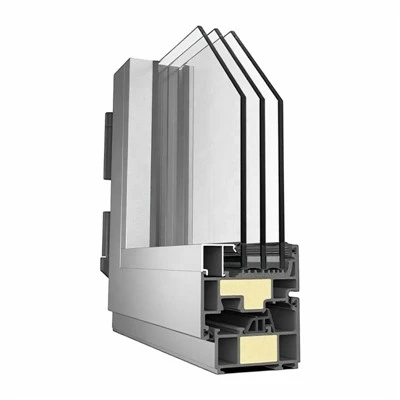
Then there are the embers. Coastal wildfires often blow in from miles away, carried by hurricane-force winds. A regular window can burn through in 5 minutes flat, and that’s all it takes for an ember to land on your upholstery, or for hot air to warp your roof trusses. Fire-resistant windows, the good ones we supply, aren’t just panes that catch fire—they’re tested to stand up to two things at once: heat up to 2000°F (that’s way hotter than a backyard grill) for a set amount of time, and resist corrosion from salt. We use frames made from marine-grade aluminum, not the flimsy stuff you get at a big box store, and the seals are coated with a special resin that doesn’t break down in salt air.
I get why some coastal homeowners hesitate, though. I’ve heard it all: “Windows are just glass, what’s the big deal?” or “They’ll be too expensive, I can just put metal screens over my regular windows.” Let’s debunk those myths. First, regular glass shatters at around 300°F, right? By the time the flames get to your window, the glass is already broken, letting heat, smoke, and embers right in. Fire-resistant glass is different—it’s made with layers of glass and a special gel in between that expands when heated, turning into an insulating foam that keeps heat and fire out for up to 90 minutes (some of our models go longer). And forget the metal screen trick—those melt or blow away in high winds, and embers are small enough to slip through the gaps. We tested one regular aluminum window against our marine-grade fire-resistant window in a salt spray chamber last year: after 12 weeks, the regular one’s seal was cracked so bad water pooled inside the frame; ours looked brand new, no pitting, no seal issues.
Another big coastal win? Storm resilience. Coastal homes deal with hurricanes, nor’easters, that constant onslaught of wind and salt. Our fire-resistant windows are tested for both fire resistance and impact resistance too—up to 150 mph wind speeds, which is category 5 hurricane territory. That means if a storm knocks a tree branch into your window, or a piece of debris comes flying, it won’t shatter, and it won’t corrode. I’ve got a customer in Florida who’s got a home right on the Intracoastal Waterway; she told me after Hurricane Ian in 2022, none of our windows had a single scratch, while her neighbor’s regular windows had blown out, and they lost most of their furniture to rain and wind. That’s the thing—fire-resistant windows aren’t just about fires. They’re a two-for-one protection plan for coastal weather.
Now, let’s talk about the practical stuff—what coastal homeowners actually care about. We know coastal styles lean into big windows, sea views, natural light. So you don’t have to give up that waterfront panorama for fire protection. Our fire-resistant glass comes in clear, low-e (that’s energy efficient, you know, keeps the cool air in in summer), even tinted options if you want to cut the glare off the ocean. And installation? We work with contractors who specialize in coastal homes, so we make sure the frames are sealed properly against both salt and water, no gaps that let moisture in. We even offer a 10-year corrosion warranty on our marine-grade models—something no regular window brand will touch.
Wait, but let’s be real—they’re not for every coastal home. If you’ve got a small cottage tucked away on a tiny island, far from any fire break and exposed to constant wildfire risk, yes, they’re worth it. If you’ve got a multi-story home in a fire-prone coastal zone (like parts of Southern California, or the Outer Banks where wildfires and hurricanes overlap), absolutely. But if your home’s in a super sheltered cove, and the nearest wildfire is 20 miles away, and you already have a good fire break around your property, maybe you can go with a more affordable impact-resistant window. But even then, we’ve got models that balance cost and protection for those middle ground homes.
I’ve been in this business for 12 years, and I’ve seen too many coastal homeowners make the wrong choice. A guy in Oregon lost his home in a wildfire a few years back—he told me he’d spent a grand on new regular windows, but the embers blew through them in 3 minutes, and his whole house went up before the fire department even got there. Another guy in South Carolina, after a nor’easter, his regular windows corroded so bad they had to replace every one, which cost twice as much as if he’d gone with our windows in the first place. The thing is, coastal homes deal with constant, overlapping threats—salt, wind, fire—so your windows can’t just do one thing. They need to check all three boxes.
Let’s break down the science quick, so you know it’s not just marketing. Fire-resistant windows get rated by independent labs—like UL, or NFPA, the same ones that rate fire doors. Our marine-grade models are rated for 90 minutes of fire resistance (that’s enough time for most fire departments to get to your home, or for you to evacuate safely), and they pass 1000 hours of salt spray testing (that’s way more than the federal standard for coastal construction). The impact rating? They hit them with a 2×4 at 50 mph, and the window doesn’t break. That’s not some guesswork—every window we sell goes through that test before it leaves our warehouse.
I know, I know—cost is a factor. A lot of homeowners think regular windows are cheaper, but let’s do the math. A standard vinyl coastal window is $300-$500 each, and it’ll need replacing every 10-15 years because of salt corrosion. Our marine-grade fire-resistant window is $600-$800 each, and it lasts 25+ years, plus it protects your home from fires and storms. Over 20 years, that’s half the cost. Plus, most insurance companies give a discount for fire-resistant windows—we’ve had customers save 10-15% on their home insurance because of our windows. That’s a nice little perk that adds up.
Wait, one common question: what about condensation? Coastal air is humid, so regular windows get condensation, which leads to mold. Our low-e fire-resistant glass has a thermal break, so it keeps the inside of the window at the right temperature, cutting down on condensation. We’ve tested that too—after 6 months in a humid coastal climate, the mold growth on our window frames was almost zero, while regular windows had small spots in the corners. That’s a big deal for indoor air quality, especially if you’ve got kids or allergies.
Let’s talk about real use cases. If you’ve got a home within 5 miles of a forested area (super common in coastal places like Washington, Oregon, Maine), fire-resistant windows are non-negotiable. Wildfires in those areas can jump miles, and embers travel on wind. We had a customer in Maine who had a fire start 3 miles from his house a few years ago—embers landed on his roof, and his fire-resistant windows kept the heat from getting in, so he only lost a small part of his roof, not his whole house. If you’ve got a home that’s built high up, exposed to strong winds (like on a bluff), the impact resistance is a huge plus—no more worrying about a board blowing through your window during a storm. If you’re worried about salt, the corrosion protection means you won’t have to repaint or replace frames every few years, which is a hassle and extra cost.
I’ve seen people argue that fire-resistant windows are overkill, but here’s the thing: disasters don’t pick and choose. A hurricane can bring wind that blows embers from a mainland fire across the coast. A nor’easter can drop humidity so low that a small spark from a generator turns into a house fire. Coastal homeowners have to deal with all these things, so their building materials need to work for all of them.
Look, I’m not here to pressure anyone. I’ve worked with homeowners who go with our windows, and some who pick other options—just last month, a couple in Cape Cod went with our models because they’re building a new home right on the water, and they want to enjoy their view without stressing about fires or storms. Another family in North Carolina already had regular windows, but after their last storm caused corrosion issues, they reached out to us to replace the whole set.
If you’re a coastal homeowner trying to figure out if fire-resistant windows are worth it, here’s my advice: ask yourself two questions. First, is my home in a fire-prone zone, or exposed to wild card events like hurricanes that bring both wind and embers? Second, do I want to avoid constant repairs from salt and wind damage? If the answer to either is yes, then our fire-resistant windows are worth looking into.
We don’t do one-size-fits-all, by the way. We offer free consultations—we’ll come to your home, look at your location, your current windows, your budget, and help you pick the right model. Whether you need something just for fire resistance, or fire + impact + corrosion protection, we’ve got options. We’ll even give you a breakdown of costs vs. long term savings, so you can see exactly what you’re getting.
At the end of the day, coastal homes are special. They’re where you go to relax, to watch the sunrise, to make memories with family. You shouldn’t have to choose between protecting that home and enjoying it. Fire-resistant windows don’t just make your home safer—they make it more durable, more comfortable, and they save you money in the long run.
If you’re ready to learn more, or want to talk through your specific situation, reach out to us to connect for a purchase consultation. We’re here to help you make the right call for your coastal home.
Fire-resistant Door References:
- National Fire Protection Association (NFPA). (2021). Wildfire Risk to Coastal Communities. NFPA Journal.
- American Society of Civil Engineers (ASCE). (2022). Coastal Construction Materials: Corrosion Resistance Standards. ASCE Coastal Engineering Manual.
- Underwriters Laboratories (UL). (2023). UL 972: Standard for Fire Tests of Window Assemblies.
- Insurance Institute for Business & Home Safety (IBHS). (2022). Hurricane-Resistant Window Ratings for Coastal Properties.
Henan Enbuess Composite Materials Co., Ltd.
Henan Enbuess Composite Materials Co., Ltd. is one of the most professional fire-resistant windows manufacturers and suppliers in China, also supports customized service. Please feel free to buy bulk durable fire-resistant windows made in China here from our factory. Welcome to contact us for free sample.
Address: No.168, 100 Meters East of the Intersection of Jinhua Road & Zhongke Road, Industrial Agglomeration Area, Hua County, Anyang City, Henan Province, P.R. China
E-mail: leila.salesdir@enbuess.com
WebSite: https://www.enbuessfrp.com/
