Yo, folks! I’m a supplier of air cooled evaporators, and I’ve seen a bunch of questions about how to adjust the settings on these bad boys. So, I thought I’d put together this blog to give you the lowdown on getting the most out of your air cooled evaporators. Air Cooled Evaporators
Understanding the Basics
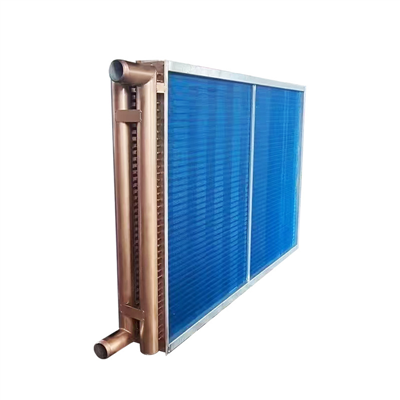
First things first, let’s talk about what an air cooled evaporator actually does. In simple terms, it’s a key part of a refrigeration system. It takes in refrigerant in a liquid state, and as the warm air blows over it, the refrigerant absorbs the heat from the air and turns into a gas. This process cools down the air, which is super useful in all sorts of applications, from cold storage rooms to industrial cooling systems.
Key Settings You Need to Know
There are a few main settings you’ll need to adjust on an air cooled evaporator. These include the temperature, the fan speed, and the refrigerant flow rate. Let’s break them down one by one.
Temperature
The temperature setting is probably the most important one. You want to make sure that the air coming out of the evaporator is at the right temperature for your specific needs. If you’re using it in a food storage area, for example, you’ll need to keep the temperature low enough to prevent spoilage but not so low that it freezes your products.
To adjust the temperature, you’ll usually find a thermostat on the control panel of the evaporator. You can use the buttons or dials on the thermostat to set your desired temperature. It might take a little trial and error to get it just right, but keep an eye on the temperature inside your space and make small adjustments as needed.
Fan Speed
The fan speed affects how quickly the warm air is blown over the refrigerant coils. A higher fan speed will move more air, which can help cool the area faster. However, it also uses more energy. So, you’ll need to find a balance between cooling efficiency and energy consumption.
Most air cooled evaporators have multiple fan speed settings. You can usually switch between low, medium, and high speeds. If you’re in a hurry to cool down a space, you might want to start with a high fan speed. Once the temperature gets close to your desired level, you can switch to a lower speed to save energy.
Refrigerant Flow Rate
The refrigerant flow rate determines how much refrigerant is flowing through the evaporator at any given time. A proper flow rate is crucial for the evaporator to work efficiently. If there’s too much refrigerant, it can cause the evaporator to frost up or even damage the compressor. If there’s too little, the cooling process won’t be effective.
Adjusting the refrigerant flow rate is a bit more technical and usually requires some experience. You’ll need to use a flow control valve, which is typically located on the refrigerant line. It’s best to consult the manufacturer’s instructions or get help from a professional technician when making adjustments to the refrigerant flow rate.
Factors to Consider When Adjusting Settings
When you’re making adjustments to the settings of your air cooled evaporator, there are a few factors you need to take into account.
Ambient Temperature
The temperature of the surrounding environment can have a big impact on the performance of your evaporator. In a hot environment, the evaporator will have to work harder to cool the air. So, you might need to adjust the settings accordingly. For example, you might need to increase the fan speed or the refrigerant flow rate to maintain the desired temperature.
Load Requirements
The amount of heat that needs to be removed from the space is another important factor. If you have a large space or a lot of heat-generating equipment in the area, you’ll need a higher cooling capacity. You may need to adjust the temperature, fan speed, and refrigerant flow rate to meet these load requirements.
System Efficiency
You also want to think about the overall efficiency of your refrigeration system. By adjusting the settings carefully, you can optimize the performance of the evaporator and reduce energy consumption. This not only saves you money on your energy bills but also helps to reduce your environmental impact.
Step-by-Step Guide to Adjusting Settings
Now that you know the key settings and the factors to consider, here’s a step-by-step guide to adjusting the settings of your air cooled evaporator.
Step 1: Check the Current Settings
Before you make any adjustments, take a look at the current settings of the evaporator. Note down the temperature, fan speed, and any other relevant settings. This will give you a baseline to work from.
Step 2: Determine Your Ideal Settings
Based on the ambient temperature, load requirements, and your specific needs, figure out what the ideal settings should be. If you’re not sure, you can consult the manufacturer’s guidelines or get advice from a professional.
Step 3: Make Small Adjustments
Once you know what you want to change, start making small adjustments to the settings. For example, if you want to lower the temperature, decrease the temperature setting on the thermostat by a few degrees at a time. Wait for a little while to see how the system responds before making further adjustments.
Step 4: Monitor the Performance
Keep an eye on the temperature inside the space and the performance of the evaporator. Check for any signs of frost buildup, unusual noises, or other problems. If you notice any issues, you may need to make further adjustments or seek professional help.
Step 5: Make Fine-Tuning Adjustments
After some time, you may find that the settings need a little fine-tuning. Based on your observations, make small adjustments as needed to optimize the performance of the evaporator.
Troubleshooting Common Issues
Even with the right settings, you may still encounter some issues with your air cooled evaporator. Here are a few common problems and how to fix them.
Frost Buildup
If you notice frost forming on the evaporator coils, it could be a sign of a problem with the refrigerant flow rate or the defrost cycle. Check the refrigerant flow rate and make sure it’s set correctly. If the problem persists, you may need to check the defrost cycle timer or the defrost heater.
Poor Cooling Performance
If the evaporator isn’t cooling the space effectively, it could be due to a dirty air filter, a blocked condenser, or a problem with the refrigerant level. Check the air filter and clean or replace it if necessary. Inspect the condenser for any blockages and clean it if needed. If you suspect a problem with the refrigerant level, it’s best to call a professional technician.
Unusual Noises
Unusual noises coming from the evaporator could indicate a loose or damaged component. Check the fans, motors, and other moving parts for any signs of damage or looseness. If you find any problems, tighten or replace the affected parts as needed.
Conclusion
Well, that’s it for my guide on how to adjust the settings of air cooled evaporators. I hope this blog has given you a better understanding of how these systems work and how to get the most out of them. By following the tips and guidelines in this blog, you’ll be able to adjust the settings of your air cooled evaporator like a pro.
Evaporator If you’re in the market for a new air cooled evaporator or need help with your existing one, don’t hesitate to get in touch. We’re here to help you find the right solution for your needs and ensure that your system is running smoothly.
References
- Refrigeration System Handbook
- Manufacturer’s Instructions for Air Cooled Evaporators
Xiangshui Derkang Refrigeration Equipment Co., Ltd.
Address: No. 2, Xiaojian Town Entrepreneurship Park, Xiangshui County
E-mail: 505745223@qq.com
WebSite: https://www.xsderk.com/
