In the world of food and beverage packaging, PP (Polypropylene) injection molding cups have become a popular choice due to their durability, safety, and cost – effectiveness. As a trusted PP injection molding cup supplier, we understand the critical importance of quality inspection to ensure that our products meet the highest standards. This blog will delve into the key quality inspection items for PP injection molding cups. PP Injection Molding Cup
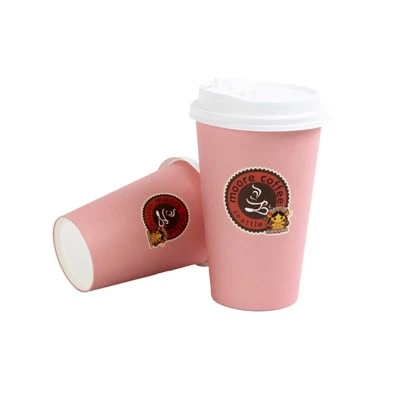
Appearance Inspection
One of the first aspects of quality inspection is the appearance of the cups. Customers are often drawn to products that look appealing, and any visible defects can undermine the value of our cups.
- Surface Smoothness: The surface of the cup should be smooth to the touch. Rough surfaces can not only feel unpleasant but may also be more prone to accumulating dirt and bacteria. During the inspection, we run our fingers along the inner and outer surfaces of the cup to detect any irregularities, such as bumps or ridges.
- Color Consistency: For color – coded or branded cups, color consistency is crucial. Any significant variation in color can be a sign of inconsistent raw material mixing or problems in the injection molding process. We use color cards and standard samples to compare the color of each batch of cups. This helps us ensure that the cups match the desired color specifications.
- Lack of Weld Lines and Streaks: Weld lines are marks that occur when the molten plastic meets during the injection molding process. Streaks, on the other hand, can be caused by contaminants in the plastic or issues with the injection speed. These defects not only affect the aesthetic appeal of the cup but may also weaken its structural integrity. Our inspectors carefully examine each cup to identify and reject any products with visible weld lines or streaks.
- No Dents or Scratches: Dents and scratches can spoil the appearance of the cup and, in some cases, lead to structural weaknesses. As the cups are being inspected, we check for any obvious signs of physical damage. Cups with dents or scratches that exceed our defined tolerance levels are removed from the production line.
Dimensional Accuracy
The correct dimensions of the PP injection molding cups are essential for functionality and compatibility with other components, such as lids.
- Height and Diameter: We measure the height and diameter of the cups using precision measuring tools, such as calipers. These measurements must fall within a narrow tolerance range to ensure that the cups fit properly in vending machines, beverage dispensers, or when stacked together.
- Wall Thickness: The wall thickness of the cup affects its strength and durability. Uneven wall thickness can lead to weak spots in the cup, increasing the risk of breakage. Our inspectors take multiple measurements of the wall thickness at different points around the cup to ensure uniformity. Any cups with wall thickness outside the acceptable range are discarded.
- Lid Fit: Since many PP injection molding cups are used with lids, the fit between the cup and the lid is a critical inspection item. The lid should fit snugly on the cup without being too loose or too tight. We test the lid fit by gently pressing the lid onto the cup and checking for any gaps or excessive resistance. Cups that do not provide a proper lid fit are not released for sale.
Material Quality
The quality of the PP material used in the injection molding process directly impacts the performance and safety of the cups.
- PP Grade Verification: We use high – quality PP resin that is approved for food contact applications. During the inspection, we verify the grade of the PP material through documentation and, in some cases, chemical analysis. This ensures that the cups are made from safe and reliable materials.
- Absence of Contaminants: Contaminants in the PP material can affect the taste and safety of the contents in the cup. We conduct regular checks for contaminants, such as foreign particles or chemicals, through visual inspection and laboratory testing. Cups found to have contaminants are immediately removed from the production batch.
- Material Strength and Flexibility: PP cups should have the right balance of strength and flexibility. They need to be strong enough to hold liquids without breaking but also have some flexibility to withstand normal handling. We perform basic strength tests, such as applying a controlled amount of pressure to the cup, to assess its mechanical properties.
Food Safety and Hygiene
As our PP injection molding cups are often used for food and beverage storage, ensuring food safety and hygiene is of utmost importance.
- Migration Testing: Migration testing is carried out to determine if any substances from the PP material can migrate into the food or beverage stored in the cup. This is a critical test to ensure that the cups meet food safety regulations. We send samples to accredited laboratories for migration testing on a regular basis.
- Microbial Testing: Microbial contamination can pose a significant health risk. We conduct microbial tests to check for the presence of bacteria, mold, and yeast on the surface of the cups. The testing is done using standard microbiological methods, and cups that do not meet the required microbial limits are rejected.
- Cleanliness: Before packaging, the cups are inspected for cleanliness. Any dust, debris, or residual plastic particles are removed. We maintain a clean production environment and follow strict cleaning procedures to ensure that the cups leaving our factory are hygienic.
Print Quality (if applicable)
If the cups have printed logos, labels, or text, the print quality also needs to be inspected.
- Print Clarity: The printed images and text should be clear and easy to read. Blurry or smudged prints not only look unprofessional but may also affect the brand image. Our inspectors examine the print clarity visually under appropriate lighting conditions.
- Color Fastness: The printed colors should be fast and not fade easily. We perform color fastness tests by exposing the printed cups to different environmental conditions, such as light and moisture, and then checking for any color changes.
- Adhesion: The print should adhere well to the surface of the cup. We use a simple tape – test method, where a piece of tape is applied to the printed area and then quickly removed. If any significant amount of print comes off with the tape, the cup fails the inspection.
Packaging Inspection
Proper packaging is essential to protect the cups during transportation and storage.
- Package Integrity: The packaging should be intact, without any tears, holes, or damage. We visually inspect each package to ensure that it can effectively protect the cups inside.
- Label Accuracy: The labels on the packaging should accurately reflect the product information, such as the cup size, quantity, and any special instructions. We verify the label accuracy to avoid any confusion for the customers.
- Packing Quantity: We count the number of cups in each package to ensure that it matches the specified quantity. Any packages with incorrect quantities are repacked or adjusted accordingly.
In conclusion, as a reputable PP injection molding cup supplier, we are committed to providing our customers with high – quality products. Through comprehensive quality inspection covering appearance, dimensional accuracy, material quality, food safety, print quality, and packaging, we ensure that every cup that leaves our facility meets the strictest standards.
If you are in the market for PP injection molding cups and are looking for a reliable supplier that prioritizes quality, we would love to hear from you. Contact us to discuss your specific requirements and start a fruitful business relationship.
Single Wall Paper Cup References
- Plastics Industry Association. (2022). Best Practices for Injection Molding Quality Control.
- American Society for Testing and Materials (ASTM). (2023). Standards for Food – Contact Plastics.
Wuhan Xinyongan Industry and Trade Co., Ltd.
Wuhan Xinyongan Industry and Trade Co., Ltd. is one of the most professional pp injection molding cup manufacturers and suppliers in China, also supports customized service. We warmly welcome you to wholesale bulk high quality pp injection molding cup in stock here from our factory. If you have any enquiry about pricelist, please feel free to email us.
Address: No. 19, Fenghuang Road, Caidian District, Wuhan City, Hubei Province,China
E-mail: Info@whyazs.com
WebSite: https://www.ipackpartner.com/
