If you’ve ever stood in a grocery store’s snack aisle, staring at a shelf of neatly stacked cereal boxes, individually wrapped crackers, or cartons of frozen dumplings, you might not have stopped to wonder how those boxes get there. As a cartoning machine supplier, I get that question a lot, and it’s one that’s evolved a lot in the last decade. For years, people assumed cartoning machines were only for non-food products: medicine, electronics parts, cleaning supplies. But today, the lines are blurring more than ever, and that leads to the core question: Can a cartoning machine really be used for food packaging? The short answer is yes—but only if the machine is built and calibrated for that specific purpose. Let’s break down why that matters, what’s different about food-grade packaging, and how my team designs our machines to meet those exact needs, because we see this shift every day with small bakeries and large snack brands alike. Cartoning Machine
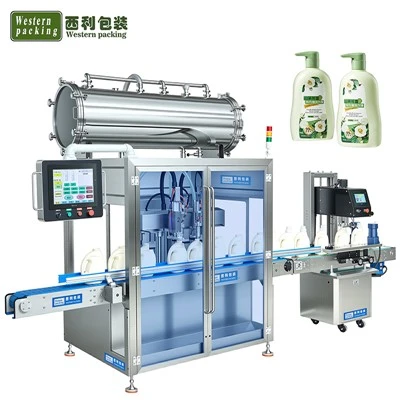
First, let’s get one thing straight: not all cartoning machines are the same. A machine built to box a bottle of shampoo is very different from one built to hold a carton of oat milk or a pack of frozen chicken nuggets. The difference comes down to two non-negotiables for food packaging: food safety and product integrity. Food products are far more sensitive than many non-food items. A shampoo bottle can get scratched a little, and no one is eating it. But a food item needs to be protected from contaminants, and the packaging itself can’t leach chemicals into the product, no matter how hot or cold the product is, or how long it sits on a store shelf. That’s why, if you’re running a food business, you can’t just repurpose a standard cartoning machine you used for non-goods and expect it to work. Let’s talk about food safety first, because that’s the foundation.
When a cartoning machine is designed for food, every surface that touches the product or the packaging material has to be made from materials that meet global food safety standards. That means things like 304 or 316 stainless steel, not the lower-grade steel used for industrial equipment that’s only built for durability. Our team spends extra time machining every contact part—like the gripping arms that hold boxes closed, the conveyor belts that move products into cartons, and even the guides that fold box flaps—because there’s no room for crevices where food particles can get stuck and grow bacteria. We also make sure all lubricants used in the machine are food-grade, not the industrial lubricants that would be fine for a machine moving parts but would contaminate a food product if they spilled or seeped out. That’s a big one I see other suppliers cut corners on. A lot of standard machine builders will just say “it works for packaging” and skip the food-grade lubricant upgrade, which is a non-starter for any business that has to pass regular health inspections.
Then there’s product integrity. Food items come in all shapes and sizes, and many are delicate. Think of a pack of fresh cookies that crumble if you drop them, or a container of yogurt that has to stay cold, or a bag of frozen veggies that can’t get crushed during packaging. A standard cartoning machine, built for heavy, rigid products like tool kits or detergent bottles, might not have the fine-tuned control needed for these items. For example, if you’re packaging individual fruit cups, you need the machine to place the cup into the carton slowly, with just the right amount of pressure, so it doesn’t tip over or crack. Our food-grade cartoning machines have adjustable speed settings and variable gripping force, so you can calibrate them for anything from a 1-ounce snack bar to a 12-ounce carton of almond milk. We also add features like gentle conveyor belts with non-slip, food-safe mats, instead of the rough metal belts that can scratch packaging or damage soft products.
Another key difference is the type of carton material used for food. A lot of people assume all cardboard is the same, but food cartons often have a special coating—either a wax coating for liquids like milk, or a food-safe plastic coating for dry goods like cereal—to keep moisture out and prevent the cardboard from absorbing the product. A standard cartoning machine might be built to process uncoated cardboard, which can be stiffer and less prone to tearing. But food cartons, especially liquid cartons, are often a little flimsier, so the machine needs to have adjustable creasing and folding tools to handle that material without warping or breaking the flaps. I remember a small craft bakery that came to us a couple of years ago, frustrated because their old machine kept tearing their custom pastry boxes. They had been using a standard machine they bought for packaging tea bags, and when we showed them the difference in how we cut and folded the box flaps on our food-grade machine, they instantly saw the improvement. Now they’re packaging 500 pastries an hour without a single torn box, which cut their waste by almost 20% overnight.
Wait, but there’s more than just safety and durability when it comes to food cartoning machines. There’s also regulatory compliance. Food packaging isn’t just something you design for your own factory—it has to meet the rules of the countries where you sell. In the U.S., that’s the FDA’s Food Safety and Inspection Service (FSIS) standards. In the EU, it’s EC 1935/2004, which regulates materials that come into contact with food. A lot of off-the-shelf cartoning machines don’t come with documentation to prove they meet these standards, which is a huge problem if you ever get audited. Our food-grade machines come with full compliance documentation, test reports for all contact materials, and we even work with clients to adjust the machine if they’re exporting to different regions. For example, a snack brand we work with sells in both the U.S. and Canada, so we modified their machine to meet both FDA and Canadian Food Inspection Agency (CFIA) requirements, which let them expand their distribution without having to switch machines.
I know what some small business owners are thinking: this sounds expensive. Why can’t I just use a regular cartoning machine for food to save money? Let’s be honest, there’s a reason some suppliers will sell you a used or standard machine for food packaging. It’s a risk, and it can end up costing you more in the long run. I’ve seen clients come to us after they tried to save money by using a non-food machine, and they ended up with a batch of packaged snacks that got contaminated because a metal part had a crack that trapped food particles. That cost them thousands in product recalls, plus fines from the local health department. Or a client whose machine couldn’t handle their fragile granola bars, so they were wasting 15% of their product every hour—money that would have been better spent on a machine built for food.
That’s not to say all food packaging needs a completely custom machine, though. We work with a lot of small to medium food businesses that start with a semi-automatic cartoning machine, which is a middle ground between manual packaging and fully automatic. These are great for businesses that are scaling up, not yet at full production. A semi-automatic machine is operated by a person who loads products and boxes, and the machine does the folding and sealing. Our semi-automatic food-grade machines meet all the safety standards, and they’re easy to calibrate, so small bakeries, chocolate makers, and frozen food companies don’t have to break the bank to upgrade their packaging. One of our favorite clients is a family-owned jam company that started packaging their jam jars by hand. They got a semi-automatic food cartoning machine from us, and now they can package 300 jars an hour, which let them sell their jams in 20 local grocery stores, up from just farmers’ markets a couple of years ago.
There’s also a common misconception that cartoning machines can only handle flat boxes. But today’s food cartoning machines are built to handle all types of formats: blister packs for candy, stand-up pouches for trail mix, even rigid plastic containers for deli meats. We have a client that packages individual portions of hummus, and their machine is built to take small plastic cups, insert them into a carton, and seal the flaps—something that would be impossible with a standard machine built for larger, non-food products. The key is that the machine’s tooling is interchangeable, so you can switch formats as your product line grows. That’s something we prioritize: our machines are modular, so clients can add different tooling for new products without having to buy a whole new machine.
I’ve been in the cartoning machine business for 12 years now, and I’ve watched the food industry change a lot. Ten years ago, most food brands did their packaging in-house, using manual labor. Now, with consumers expecting more consistent packaging and brands needing to scale fast, automation is non-negotiable. But the mistake a lot of businesses make is picking any automation, instead of automation built for their specific product and food safety needs. For example, a plant-based meat brand that wants to package individual patties needs a machine that can handle soft, irregular shapes, and a machine that’s easy to clean (because plant-based products can spoil quickly if contaminated). Our food cartoning machines are designed with quick-clean features—removable conveyor parts and tools that can be taken apart in minutes for deep cleaning, which is a must for any food production facility.
Let’s talk about cleaning for a second, because that’s a part of machine operation that’s often overlooked. Non-food machines don’t need to be cleaned as often, or as thoroughly. A machine that boxes electronics might be wiped down once a week, but a food machine has to be cleaned every shift, every time it’s changed over for a different product, and after any downtime. Our food-grade machines are designed for easy disassembly, with no hidden fasteners or hard-to-reach crevices. We also add features like stainless steel covers that are easy to wipe down, instead of the plastic covers that can harbor bacteria. One of our cheese clients told us that after switching to our machine, their cleaning time went from 45 minutes a shift to 15 minutes, which saved them over 10 hours a week in labor. That’s a huge benefit that adds up fast, even for small businesses.
Of course, there are limits. If you’re packaging something extremely fragile, like a whole cake, or something that has special temperature requirements, you might need a customized cartoning machine. But the core point here is: yes, a cartoning machine absolutely can be used for food packaging, as long as it’s designed for food. The alternative—trying to repurpose a non-food machine—isn’t worth the risk, from safety hazards to product waste to compliance issues.
At the end of the day, when a brand invests in a cartoning machine for food, they’re investing in two things: consistency and trust. Consumers trust food that’s packaged in a way that looks clean and intact, and that means consistent folding, consistent sealing, no torn boxes or misaligned products. Our machines are built to deliver that consistency, which helps brands build their reputation. I’ve talked to so many clients who say their sales went up after they switched to an automatic food cartoning machine, because their packaging looked more professional on store shelves. That’s a side benefit that a lot of people don’t think about, but it’s huge for small brands trying to stand out in a crowded market.
If you’re a food business owner, a production manager, or someone just starting out in the industry, and you’re wondering if a cartoning machine is right for your food packaging needs, the first step is to ask the right questions. Is the machine made with food-safe materials? Does it have the compliance documentation I need? Can it handle the specific shape and sensitivity of my product? Is it easy to clean and adjust? If the answer to all those is yes, then it’s absolutely a fit. If not, you’re better off working with a supplier who can build or adapt a machine to meet your needs.
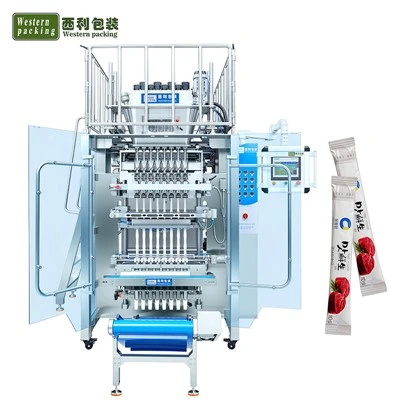
If you’re ready to explore options for a food-grade cartoning machine, or you have questions about whether your current setup is up to code, I encourage you to reach out to our team. We work with businesses of all sizes, from startup bakeries to large food manufacturers, to design machines that fit their specific needs, budget, and compliance requirements. We don’t sell one-size-fits-all machines, because food packaging isn’t one-size-fits-all. We take the time to understand your product, your production goals, and the regulations you have to meet, so you get a machine that works for you, not against you.
Granule Packaging Machine References
- U.S. Food and Drug Administration (FDA). (2023). Food Contact Materials: Requirements and Guidance.
- European Commission. (2004). Regulation (EC) No 1935/2004 on Materials and Articles Intended to Come into Contact with Food.
- National Food Protection Alliance. (2022). Food Manufacturing Equipment Design Best Practices for Safety and Sanitation.
- Packaging World. (2021). The Shift to Automated Food Cartoning: Trends and Case Studies for Small to Medium Businesses.
- Canadian Food Inspection Agency (CFIA). (2023). Food Packaging Materials: Compliance Guidelines for Commercial Operations.
Guangzhou Western Packing Co., Limited
Guangzhou Western Packing Co., Limited is one of the most professional cartoning machine manufacturers and suppliers in China, also supports custom service. With abundant experience, we warmly welcome you to wholesale durable cartoning machine at competitive price from our factory.
Address: No.3, Yilong street, Wulonggang, Zhongluotan Twon, Baiyun District, Guangzhou
E-mail: david@westernpacking.com
WebSite: https://www.westernpackingusa.com/
