If you’ve ever rummaged through a shower nook at 7 a.m. while a bar of soap slips through your fingers and a razor clatters to the tile, you know the value of small, functional upgrades. As a plastic bathroom accessories supplier, I’ve spent over a decade testing, sourcing, and refining products that turn a chaotic shower space into something efficient, durable, and low-fuss. Plastic often gets a bad rap for being flimsy or cheap, but modern food-grade, BPA-free, water-resistant plastics have come a long way—especially when designed specifically for the humidity and constant moisture of a shower area. Below, I’m breaking down the best plastic shower accessories, why they work, and how to pick ones that won’t crack, mildew, or require a replacement in six months. Plastic Bathroom Accessories
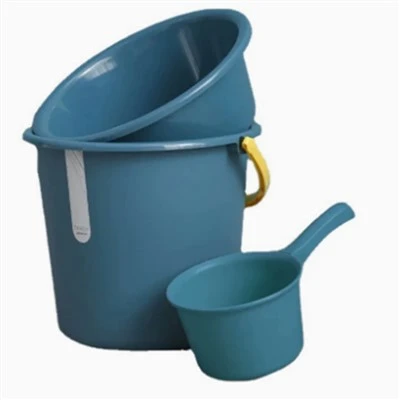
First, let’s address the biggest mistake I see shoppers make: choosing plastic accessories that are too thin, cheaply made, or unrated for prolonged moisture. Many big-box store sets are molded from low-density polyethylene (LDPE) that warps after three months of hot steam, or cheap PVC that traps mildew in its porous surface. The good stuff is made from high-density polyethylene (HDPE), polypropylene (PP), or acrylonitrile butadiene styrene (ABS)—all rigid, non-porous, and formulated to resist warping, mold, and fading when exposed to consistent water and heat. That’s not to say you can’t have style; these plastics can be molded in matte, glossy, neutral, or bold finishes to match any bathroom aesthetic, from minimal to retro.
The top accessory you’ll actually use daily is a shower caddy, but not just any caddy. The best ones are designed specifically for the shower—no over-the-door hooks that fall off or suction cups that peel after a week. I recommend wall-mounted caddies with slotted shelves and open backs. Why? Closed shelves trap water between the product and the caddy, creating a perfect breeding ground for mold and mildew. Slotted sides and bottom let water drain immediately, so the caddy stays dry between uses. Look for caddies made with reinforced mounting brackets, not just suction cups for heavy items like shampoo bottles. For small showers, a corner caddy that fits neatly into the two walls and shower floor saves floor space, while larger bathrooms can use a free-standing caddy on a non-slip base for extra storage. I’ve seen countless customers opt for mesh or wire caddies, but plastic is far less likely to scratch expensive tile, rust, or show water spots over time. Bonus: many plastic shower caddies are also lightweight, so you can take them apart for deep cleaning without lifting a 10-pound metal unit.
Next, a often-overlooked essential: a soap dish that doesn’t turn your bar soap into a mushy mess. The worst soap dishes are flat, closed trays that hold water and turn soap into a sticky residue in 48 hours. The best plastic soap dishes have a raised, slotted design that lifts the bar above any standing water. I prefer ones that are mounted to the wall or attached to a caddy, not placed on the shower floor—floor dishes collect hair, grout dust, and small bits of debris that get ground into the soap, no matter how careful you are. Another pro tip: choose a soap dish made from non-porous PP, which doesn’t absorb soap scum or odors, unlike cheaper plastics that will leach a faint chemical smell after months of use. For liquid soap users, a wall-mounted plastic pump dispenser is just as important—look for one with a wide, easy-press nozzle that doesn’t clog, and a transparent side so you can see when it’s time to refill, no more fumbling to squeeze an empty bottle.
If you use a razor in the shower, a plastic razor holder is a game-changer. Metal razor holders can slip when wet, and wood ones warp, but plastic ones are lightweight, non-slip, and easy to clean. The best design has a curved, open slot that holds the razor’s handle securely, with a small drain hole at the bottom so water doesn’t pool around the blades. This prevents rust (even on stainless steel blades) and keeps the holder dry, so mold doesn’t grow in the crevices. Many people tuck razors into caddy shelves, but a dedicated holder keeps them organized and within reach, so you don’t have to dig through bottles mid-shower. I also recommend plastic over metal here because it won’t scratch your shower walls if it slips, and it’s cheap to replace if it ever does crack (though high-quality PP razor holders rarely do).
For anyone who struggles to reach the back of the shower or has mobility issues, a plastic shower shelf extension—sometimes called a shower rack add-on—is a must. These mount directly to existing shower walls, above the main caddy, to store items like body wash, conditioner, or loofahs that you don’t need every day. Unlike glass shelves, which can shatter if you drop a heavy bottle, plastic shelves are shatterproof and lightweight, yet strong enough to hold 10+ pounds of product. Look for ones with a smooth surface that doesn’t have sharp edges, and that are easy to install without drilling if you rent (many use strong, water-resistant suction cups that don’t leave residue on tile or glass).
Now, let’s talk about accessories that prevent mess, for people who have kids or like to leave small items around the shower. A plastic bath toy organizer might not be the first thing you think of as a “shower essential,” but it solves a huge problem: bath toys that mold and sit in a puddle on the shower floor. The best bath toy organizers are suction-cup mounted, slotted, and designed to hang toys so water drains out, not pool inside. Made from BPA-free HDPE, they’re non-toxic, easy to wipe clean, and come in fun colors that kids love to use, so they’ll put their toys away without a fight. I’ve had parents tell me these organizers cut their monthly bathroom cleaning time in half, because there’s no more scrubbing mold out of the bottom of a toy bucket.
Another underrated pick: a plastic shower curtain liner. While fabric liners are popular for their soft look, plastic liners are far more functional for the shower. They repel water, don’t develop mildew as quickly as fabric (as long as you choose a non-porous PEVA liner, not thin vinyl), and are easy to toss in the washing machine or wipe down with a mild bleach solution every few months. Look for liners with weighted bottom hem strips—this prevents the liner from sticking to your legs when you shower, and keeps water from splashing out onto the bathroom floor. Unlike fabric liners, plastic ones don’t absorb soap scum or odors, so they stay fresh for years.
Now, how to separate quality plastic shower accessories from the ones that will fail after a few weeks. First, check the material labeling: avoid plastics labeled “low-grade” or unmarked, which are often made from recycled material that’s not tested for moisture resistance. Look for labels that say “HDPE,” “PP,” or “food-grade” (even if they’re not for food, food-grade plastics are non-toxic and don’t leach chemicals when exposed to heat). Second, test the flexibility: if a plastic bends easily and stays bent, it’s too flimsy for the shower. Good plastic shower accessories will flex slightly under pressure but snap back into shape, a sign they’re made with the right rigidity to resist warping. Third, look for drainage features: any accessory that holds product in the shower needs slotted surfaces or holes to drain water. I’ve had customers send back caddies that had solid bottoms, saying they developed so much mildew in three months they had to throw them out—drainage isn’t a “nice-to-have,” it’s a necessity.
As a supplier, I’ve built my business on providing products that last, not just look good. I’ve seen the frustration of a customer who buys a $10 shower caddy that breaks in a month, so I prioritize sourcing accessories that meet industry standards for bathroom moisture resistance, and offer bulk or individual options for every budget. Whether you’re outfitting a small guest bathroom, a family home, or a commercial property, there’s a plastic shower accessory that fits your needs without sacrificing quality or style.
If you’re ready to upgrade your shower space and invest in accessories that will stand up to daily use, I’d be happy to discuss your needs. I work with homeowners, interior designers, and commercial operators to provide durable, affordable plastic bathroom accessories tailored to any space. Feel free to reach out to connect for product details, custom orders, or quotes—let’s make your shower routine easier, not more stressful.
Plastic Household Items References
- American Chemistry Council. (2022). Plastic Materials for Moisture-Resistant Bathroom Fixtures. Retrieved from industry safety reports on polymer durability in high-humidity environments.
- Bathroom Products Association. (2021). Best Practices for Selecting Shower Accessories for Residential and Commercial Use. Published in annual industry guidelines for bathroom fixture selection.
- Center for Biocide Chemistries. (2020). Mold and Mildew Prevention in Bathroom Accessories: Material and Design Considerations. Report on non-porous materials’ resistance to microbial growth in high-moisture spaces.
- International Residential Code (IRC). (2019). Requirements for Bathroom Fixtures and Accessories for Longevity and Functionality. Adopted safety and durability standards for residential bathroom products.
- Consumer Reports. (2022). Top-Rated Shower Caddies and Accessories for 2022–2023. Independent testing of bathroom accessories for water resistance and durability.
Yongkang Shunjiang Plastic Products Co., Ltd.
As one of the most professional plastic bathroom accessories manufacturers and suppliers in China, we offer a wide range of products with superior quality. Please feel free to wholesale bulk customized plastic bathroom accessories from our factory. Also, pricelist is available.
Address: Kangzhuang Road, Xicheng Subdistrict, Yongkang City, Zhejiang Province, China
E-mail: 15158911623@163.com
WebSite: https://www.shunjiangplas.com/
