When I chat with clients, I get asked one question more than any other: “Who actually found carbon steel first?” It’s not a straight answer, and honestly, most old history books gloss over it like it’s some boring, pre-industrial footnote. As a carbon steel supplier, I’m not here to ramble about ancient artifacts for no reason—this stuff matters because the way carbon steel was stumbled on, tested, and turned into the stuff we work with today directly affects the quality of the coils, plates, and bars my team ships out weekly. Let’s break this down without the stuffy textbook jargon that makes your eyes cross. Carbon Steel
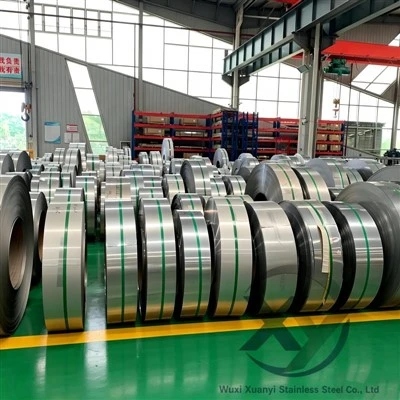
First, let’s get one thing straight: “discovery” isn’t like finding a new beach or a random rock. Early metalworkers didn’t know what elements like carbon even were—they just knew if they messed with fire, dirt, and ore, they could make something that wasn’t rock or clay. The earliest clues that people were accidentally making carbon steel? That goes way back to around 1800 BCE, in what’s now modern-day Turkey, Iran, and even parts of India. Wait, no, before you zone out—think about it: back then, all metalworking was done with charcoal, right? Charcoal is basically super hot, almost pure carbon, and when you heat iron ore (which has tons of oxygen mixed in) with it, the carbon can seep into the iron. If you leave it in the fire too long, or make the fire extra hot, that mix turns into something way stronger than regular iron—something that’s actually hard enough to hold an edge.
But here’s the catch: those early guys didn’t call it carbon steel, they didn’t write it down, and they had no idea they’d created a metal that’d change civilizations. They just noticed that some iron tools didn’t bend when they hit a rock, or stayed sharp longer than others. There’s this cool artifact, a dagger from around 1200 BCE found in the tomb of an Egyptian king named Tutankhamun. Yeah, that guy from the famous gold mask. When scientists tested that dagger a few years back, they realized the blade wasn’t made of regular iron—it had way more carbon than the average iron of the time. Some people say it came from meteorite iron, but no, the carbon levels match stuff made with charcoal. So that’s a tiny peek at carbon steel being used way back when, but it was still totally accidental, like finding a forgotten $20 in an old jacket pocket.
Fast forward a thousand years, and we get to the part where people stopped guessing and started messing with carbon on purpose. For a long time, the big thing in metalworking was “wootz steel”—sometimes called crucible steel. This stuff was super fancy, used in swords that could cut through other metal like butter. It started in southern India around 300 BCE, and people would pile iron ore, wood, and glass together in clay pots, heat them for days, and end up with this shiny, high-carbon steel. The Romans even heard about it—they called it “chalybs” or something, and their soldiers would pay a fortune for wootz swords. But again, no one really got the science. They just knew if you did this specific weird ancient ritual, you got a killer metal.
Now, when do we get to the point where someone actually figures out “wait, this extra carbon is what makes the metal hard”? That’s not a single date or person, but if I had to name the guy who kicked off modern understanding, it’s a British metallurgist named Harry Brearley. Wait, wait—before you stop me, no, Brearley’s more famous for stainless steel, but he also did tons of work on carbon steel in the early 1900s. Wait, no, hold on—let’s backtrack. There’s a guy named Robert Forester Mushet, a British inventor, who in 1868 patented a type of high-carbon steel that was way better for tools. But even before that, in the 1850s, Henry Bessemer had that big Bessemer process—he figured out how to mass-produce steel by blowing air through molten iron to burn out impurities. But early Bessemer steel was low-carbon, not great for most uses. Mushet added extra manganese and carbon to the process, and boom—he made the first commercial high-carbon steel that was actually consistent, not just some lucky batch from a blacksmith’s forge.
But here’s the real tea: most people mix up “first to make carbon steel” with “first to understand it”. Brearley, even with his stainless steel work, was part of a crew in the early 1900s that mapped exactly how carbon content affects steel properties. Like, if you have less than 0.2% carbon, it’s soft, bendy, perfect for stuff like fences or decorative trim. If it’s between 0.2% and 2.1% carbon, that’s carbon steel—how much depends on what you need: low-carbon for car bodies, medium for construction beams, high for drill bits or swords. Over 2.1% and you get cast iron, which is brittle, so we don’t use that for most of our products.
Wait, but let’s circle back to those accidental first makers. As a carbon steel supplier, I always think about that—every coil I ship, every plate that gets cut for a construction project, every bar used to make a machine part, traces back to some guy 4,000 years ago who didn’t write a journal, just stared at his forge and went “huh, that metal’s different”. There’s a common myth that the Chinese invented carbon steel first, and yeah, they were making similar high-carbon steels around the same time as India, maybe even using coal instead of charcoal later, but the key point is: no single person “discovered” it. It was thousands of years of blacksmiths messing with fire, making mistakes, and noticing that some batches worked better. That’s way more relatable than some fancy “eureka!” moment in a lab, right?
I bring this up because I meet clients all the time who don’t get why carbon steel matters, or why it’s different from regular steel or stainless. Let’s be real: stainless has chromium, which makes it rust-proof, but carbon steel is cheaper, stronger, more malleable, and the backbone of every industry you can name. We use it for everything from the pipes that carry water to your house to the girders holding up skyscrapers to the parts in your car engine. And all that started with some ancient guy who didn’t know he was launching an industrial revolution.
Now, the reason I care about this as a supplier is that when you’re buying carbon steel, you don’t want random “accidental” batches. You want consistent carbon content, you want it to be tested, you want it to hold up to what you need it for. Those old blacksmiths had to test every single piece of metal they made—hit it, bend it, use it for a day—and if it broke, they dumped it. Today, we do that testing in a lab, using the same basic principle they stumbled on: check how the carbon affects the metal. We know exactly how much carbon is in every coil we sell, so you don’t have to worry about a batch being too soft or too brittle.
Wait, let’s clear up another common misconception. A lot of people think carbon steel is just “basic steel”, but no—low-carbon steel is super common, but high-carbon is where the strength is. When we talk about discovery, the real turning point wasn’t making the first carbon steel, it was figuring out how to make it reliably, in large quantities, so it wasn’t just a luxury for kings’ daggers. That’s where Mushet and Bessemer come in, even if Brearley gets the most press for steel breakthroughs.
I also get a lot of questions about where carbon steel is made best these days, but that’s a whole other blog. The point here is that “who discovered carbon steel?” isn’t a simple answer. It’s a collective effort stretching over millennia: anonymous ancient metalworkers, Indian wootz smiths, British inventors who cracked mass production, and modern metallurgists who keep tweaking it to be better. None of them were working alone, and none of them would have guessed that their random forge experiments would end up as a product that every industry relies on.
So why does this matter for you, if you’re buying carbon steel? Because when you’re sourcing this stuff, you want a supplier that gets the history—because that history is why we know how to make it right. We don’t cut corners, we test every batch, and we make sure the carbon level is exactly what you need for your project, whether you’re building a bridge, making industrial machinery, or just need durable parts for a factory floor.
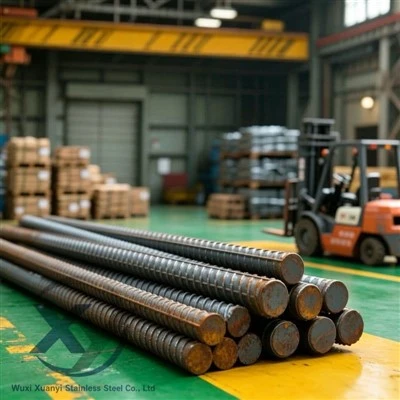
If you’re in the market for carbon steel—whether you need small bars for custom parts, large coils for manufacturing, or thick plates for construction—hit us up. We don’t just sell metal; we know the story behind every pound of it, and we can help you pick the right grade for your needs, no jargon, no hidden fees. We’ve got stock ready to ship, and we work with projects big and small, so don’t hesitate to reach out to chat about what you’re working on.
Stainless Steel Sheet References:
- Juleff, G. (1996). An ancient West Indian smelting site. World Archaeology, 28(1), 36-51.
- Srinivasan, S., & Ranganathan, S. (1992). Wootz steel: The Damascus steel of antiquity. Indian Institute of Metals.
- Smith, C. S. (1960). A history of metallography. American Society for Metals.
- Mushet, R. F. (1868). Improvements in the manufacture of steel. British Patent No. 1,886.
Wuxi Xuanyi Stainless Steel Co., Ltd.
Wuxi Xuanyi Stainless Steel Co., Ltd. is one of the most professional carbon steel manufacturers and suppliers in China. With abundant experience, we warmly welcome you to wholesale bulk durable carbon steel made in China here from our factory. If you have any enquiry about cooperation, please feel free to email us.
Address: Room 1207, Building 11, Shengang Metropolis Plaza, No. 299 Fangcheng Avenue, Xinwu District, Wuxi City,China.
E-mail: jscherryxy@163.com
WebSite: https://www.xuanyisteel.com/
