If you’re reading this, chances are you’ve spent hours scrolling through RV rental websites, weighing the pros and cons of tent camping, travel trailers, or stick-and-brick cabins for your next outdoor trip. Maybe you’ve stumbled on the term “fifth wheel” and wondered: Can a fifth wheel be rented? As a fifth wheel supplier who’s worked with these units for over 12 years—selling, servicing, and helping people rent them for short-term getaways—I get this question all the time. The short answer is yes, you absolutely can rent a fifth wheel. But there’s a lot more nuance to it than just showing up to a rental lot and picking one off a lot, and as someone who’s walked clients through every step, I want to break down why renting a fifth wheel might be the perfect fit for your next adventure, how the process works, and what you need to know to do it right. Fifth Wheel
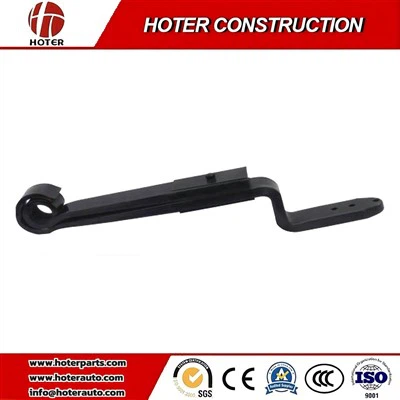
First, let’s clear up what a fifth wheel is, because not everyone knows the difference between a fifth wheel and a standard travel trailer. A fifth wheel is a type of RV that’s designed to tow with a pickup truck, and it’s distinct because the hitch mechanism sits in the bed of a heavy-duty or mid-size (depending on the unit) pickup, instead of the rear bumper like a travel trailer. This design makes fifth wheels more stable on the road, which is a big win for long hauls or rough terrain, and they tend to have more spacious interiors than smaller travel trailers because the front of the unit extends over the truck bed, creating extra living or bedroom space. For people who want a home-like feel for a week or a month, that extra space is a huge draw—and one of the main reasons fifth wheel rentals are so popular right now.
A few years back, I had a client named Mia who was planning a cross-country trip from Chicago to Banff, with her partner and two young kids. She’d initially booked a standard 22-foot travel trailer through a big national rental chain, but when she went to pick it up, she realized the trailer swayed badly on the highway, and the interior was so cramped that her 7-year-old was already dreading the long drive. I recommended she switch to renting a mid-size fifth wheel, and the difference was night and day. The extra stability meant she didn’t have to white-knuckle the wheel every time a semi passed, and the slide-out living area gave the kids space to play games without feeling like they were on top of each other. That’s the kind of scenario where renting a fifth wheel makes total sense, and it’s not the exception—it’s something I see every month.
But can you actually rent one? Let’s talk about where to rent a fifth wheel, because that’s a big part of the answer. A lot of people assume you can only rent from big national RV rental brands, but as a supplier, I work with a network of local rental partners, as well as people who rent our pre-owned units as side income (something I highly recommend for clients who don’t want to deal with the formalities of a big chain). Local rental lots tend to offer more personalized service, often letting you inspect the unit before you book, and they usually have smaller fleets so they can tailor recommendations to your trip. Big chains have larger fleets, but their fifth wheels are often rented out multiple times a month, so they may have more wear and tear—something to check if you go that route.
Now, if you’re a regular reader of RV content, you might have heard that fifth wheels require a specific tow setup, and that’s a key point to keep in mind when renting. Unlike a travel trailer, which can often be towed by a half-ton pickup (think a Ford F-150 or Chevy Silverado 1500), most fifth wheels need a heavy-duty pickup—three-quarter ton or one-ton—with a fifth wheel hitch installed. That means when you rent a fifth wheel, the rental company will usually require you to have a compatible pickup truck, or they may offer add-ons like a tow truck to deliver the fifth wheel to your pickup, or even a delivery and setup service if you don’t want to tow it yourself. I’ve had clients who rented a fifth wheel and had a friend with a compatible truck tow it, which works great for smaller fifth wheels, while others who were new to towing opted to have the unit delivered to their campground, which takes the stress out of the whole process.
Another question I get all the time: Is renting a fifth wheel more expensive than other types of RVs? It depends, but it’s not as much of a premium as you might think for the extra space and stability. On average, a mid-size fifth wheel (25-30 feet) will run you between $100 and $150 a night during peak season, while a larger, luxury fifth wheel (35-40 feet, with slide-outs, a full kitchen, and a separate bedroom) can run $200 to $300 a night. Compare that to a standard travel trailer, which is usually $75 to $125 a night, and a motorhome, which is often $150 to $300 a night, and you’ll see that fifth wheels hit a sweet spot: they’re more affordable than a motorhome, but offer more space and comfort than a smaller travel trailer. For a family of four or five, that extra space is worth the small premium—you’re not folding up a couch into a bed every night, and you have a separate dining area for meals, which makes camping feel less like “roughing it” and more like a vacation.
I also want to address a common misconception: some people think renting a fifth wheel is only for long trips or large groups. That’s not true. Last year, I had a couple in their 60s who were planning a three-day trip to a state park two hours from their home. They’d never camped in an RV before, and they were nervous about tent camping in the cooler spring weather. They rented a compact fifth wheel (about 20 feet) from a local partner, and it was perfect for them. It had a small kitchenette, a sleeping area, and a heater, and it was easy to tow with their half-ton pickup (they upgraded to a fifth wheel hitch, which the rental company helped them install for a flat fee). They told me afterward that it was the best trip they’d had in years—no packing and unpacking a tent, no worrying about rain, and they had space to bring their grandkids for a day trip without feeling cramped. So fifth wheel rentals work for all types of trips, not just cross-country adventures.
But like any rental, there are things you need to do to make sure your experience goes smoothly. First, inspect the unit thoroughly before you take it. I can’t stress this enough. When you pick up the fifth wheel, walk around the entire outside—check for any dents or damage to the exterior, make sure the tires are properly inflated, and test the hitch to make sure it’s secure. Then go inside: test all the appliances (refrigerator, stove, microwave, water heater), check the plumbing (faucets, toilet, shower), and make sure all the doors and windows lock properly. Take photos of any existing damage, both inside and out, so you don’t get charged for it when you return it. I’ve had clients who skipped this step and got stuck with a $500 cleaning fee because a previous renter spilled coffee on the carpet and it wasn’t documented—avoid that by being thorough.
Second, know your tow capacity. Every pickup truck has a maximum tow rating, and you need to make sure the fifth wheel you’re renting doesn’t exceed that. This is especially important if you’re renting a larger fifth wheel—some of the bigger luxury models can weigh over 10,000 pounds, so if your pickup’s tow rating is 8,000 pounds, you’re going to have problems. The rental company should have the weight of each unit listed in their booking details, but double-check it, and if you’re not sure what your pickup’s tow rating is, look it up in your owner’s manual or contact your dealership. I once had a client who tried to tow a 10,000-pound fifth wheel with a half-ton F-150, and he couldn’t even get it up a small hill at the campground—he had to call a tow truck, which cost him $300 and ruined his first day of the trip. Don’t let that be you.
Third, understand the rental terms. Most fifth wheel rentals require a deposit, usually 10-20% of the total rental cost, and they have rules about mileage, cancellations, and damages. Some rental companies limit the number of miles you can drive the fifth wheel, so if you’re planning a long trip, make sure you either book a unlimited mileage package or factor in the cost of extra miles (which can be 25-50 cents per mile). Also, check the cancellation policy—peak season (spring and summer for most campgrounds) has stricter cancellation rules, usually requiring 30 days’ notice for a full refund, while off-season might let you cancel with less notice. And don’t forget about insurance: most rental companies include basic liability insurance, but you may want to add supplemental insurance to cover any damage to the unit or medical expenses in case of an accident. It’s a small extra cost that can save you a lot of money if something goes wrong.
Now, as someone who sells fifth wheels, I also know that some people rent because they’re considering buying, and they want to test out fifth wheel life before committing to a purchase. That’s a really smart move. A few years ago, a client named Jake came to me after renting a 30-foot fifth wheel for a month-long trip to the West Coast. He’d been thinking about buying a fifth wheel for his family, but he wasn’t sure if the space was right, or if towing it was something he’d enjoy. After his rental, he told me that he loved the stability of the fifth wheel, but the slide-outs made the unit too big for his small garage at home. We adjusted, and he ended up buying a compact fifth wheel, which was perfect for his needs. If you’re in that position, renting a fifth wheel is a great way to test out different sizes, layouts, and features before you buy, and as a supplier, I’m always happy to help clients who rent find the right fit for their budget and lifestyle.
I also want to address a question that I get less often, but is important: Can you rent a fifth wheel for a long period of time, like a month or more? The answer is yes, and a lot of rental companies offer monthly rates that are 20-30% cheaper than weekly rates. This is a huge draw for people who are doing a road trip for work, or who want to stay in a campground for a month to experience a new area. Last year, I had a client who rented a 35-foot fifth wheel for three months to work remotely from a campground in northern Michigan. She said it was way more affordable than renting an apartment in the area, and she had all the amenities she needed: a full kitchen, a separate office nook, and space to work from the campground’s Wi-Fi. If you’re planning an extended stay, look for rental companies that offer long-term rates, and make sure the unit has the amenities you need—like a good refrigerator, enough storage for your clothes and work equipment, and a reliable power source.
Of course, no rental process is perfect, and there are a few drawbacks to renting a fifth wheel. As I mentioned earlier, some units may have wear and tear from previous renters, so it’s important to inspect carefully. Also, if you rent from a big chain, you might not get the personalized service you would from a local rental lot—local owners will often give you tips on hidden campgrounds, or help you troubleshoot small issues on the road, which is a huge plus if you’re new to towing. And if you’re renting during peak season, you might have to book months in advance, so don’t wait until a week before your trip to reserve your fifth wheel.
At the end of the day, the answer to “Can a fifth wheel be rented?” is a resounding yes. Whether you’re planning a weekend trip with your family, a cross-country adventure, or an extended remote stay, a fifth wheel rental offers the space, stability, and comfort that makes camping feel like a vacation, not a chore. As a fifth wheel supplier, I’ve seen firsthand how much joy these units bring to people’s trips, and I’ve helped dozens of clients find the right rental to fit their needs.

If you’re ready to learn more about renting a fifth wheel, or want to explore options that fit your trip, reach out to our team to discuss your needs and find a solution that works for you. We’re here to help every step of the way, from recommending the right unit for your tow setup and trip size, to answering questions about insurance, delivery, and anything else you need to know.
Jost Landing Gear Reference:
RV Industry Association. (2023). "Fifth Wheel Travel Trends: Rental Demand and Consumer Preferences." RVIA Annual Report.
National Park Service. (2022). "Camping Accommodations Guide: Fifth Wheel Recommendations for Park Visits."
Towing Industry Association. (2021). "Tow Capacity and RV Safety Standards for Fifth Wheel Users."
Zhangzhou Hoter Construction Machinery and Parts Co., Ltd.
As one of the most professional fifth wheel manufacturers and suppliers in China, we’re featured by quality products and good price. Please rest assured to wholesale high-grade fifth wheel for sale here from our factory. Contact us for more details.
Address: No. 3/4-41, Ziwei Road, Longhai, Zhangzhou city, Fujian province, China
E-mail: info@hoterparts.com
WebSite: https://www.hoterparts.com/
