Hey everyone, Wine Tasting Glass
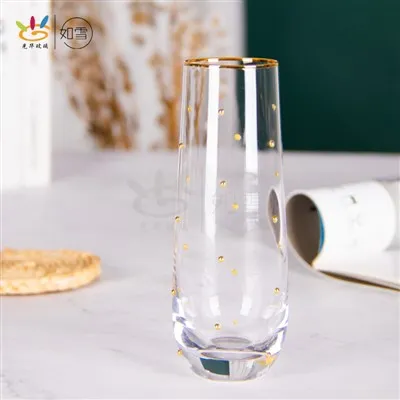
If you’ve ever wandered down the wine glass aisle at a store or scrolled through a wine accessory blog at 10 PM when you should’ve been sleeping, you’ve probably seen the term “lead-free wine tasting glass” pop up more times than a sommelier correcting someone’s wine temperature at a party. Let’s be real—most of us don’t think twice about what our wine is sitting in, right? We just grab the shiniest, thinnest glass that fits our cabinet and call it a day. But here’s the thing: I’ve been selling wine tasting glasses for over 12 years now, and I can’t tell you how many times a customer has walked into our showroom (or emailed us at 2 AM) asking, “Wait, is lead in my wine glass actually a problem?” So today, let’s break this down like we’re hanging out at a vineyard picnic—no stuffy jargon, just the real tea on lead-free wine tasting glasses.
First, let’s get one thing straight: Old school wine glasses—like the ones your grandma used that had that heavy, twinkly sparkle—were often made with lead crystal. Back in the day, lead oxide was added to glass to make it super clear, really thin, and give it that iconic ring when you tap it. It felt fancy, it looked expensive, and for decades, no one thought twice about it. But here’s the plot twist: Lead is a toxic heavy metal, and over time, especially if you’re storing wine in those glasses for long periods (we’re talking days after opening, not just the hour or two you sip it), the lead can leach into your wine. I’m not here to scare you—like, if you use a lead crystal glass for a single glass of Cabernet Sauvignon tonight, you’re probably fine. But if you’re someone who hosts big wine tastings where you leave wines in glasses for hours, or you store leftover wine in the fridge in that fancy old crystal decanter, that’s where the risk adds up.
Now, what’s a lead-free wine tasting glass, exactly? It’s just that—wine glasses made without lead oxide in the glass composition. But it’s not as simple as swapping lead for another random metal, right? The best lead-free glasses use materials like soda-lime glass (that’s the stuff most basic drinking glasses are made of), borosilicate glass (the heat-resistant kind used in Pyrex), or even fine crystal made with other metals like barium oxide, potassium oxide, or zinc oxide. These do the exact same things lead crystal does—they’re clear, thin, give a nice ring, and actually hold wine’s flavor better than thick, cheap glass—but without the toxic lead.
Wait, but hold on—why should you care about lead-free specifically when it comes to tasting glasses? Let’s be honest, the point of a tasting glass isn’t just to hold wine. It’s to help you smell the wine, swirl it without spilling, and get all the subtle notes—like that hint of red cherry or faint vanilla oak—without weird stuff messing with it. I’ve tested so many glasses over the years, and lead-free ones actually do a better job of that, for two big reasons. First, the materials used in high-quality lead-free glass are less porous than old lead crystal? No, wait—actually, they’re more consistent. Lead crystal can have tiny variations in the lead distribution that might affect how the glass reflects light or how the wine interacts with the surface. Lead-free, uniform glass is way more predictable. Second, no leaching means the wine’s flavor stays pure. If lead was leaching even a tiny bit (which studies have shown it does over time), it could mellow out the wine’s tartness or add a weird metallic aftertaste you didn’t notice before. Tasting is all about precision, right? So a lead-free glass removes one more variable that could throw off your notes.
Let’s talk about common myths, because there are so many. Myth #1: “Lead-free glasses are just as good as lead crystal, but cheaper.” Not always, but sometimes. The high-end lead-free glasses—like the ones we sell at our shop—cost about the same as entry-level lead crystal because the materials and manufacturing are similar. The super cheap lead-free glasses you find at a dollar store? Those are probably made with low-quality soda-lime that’s thick and doesn’t taste good. Don’t get me wrong, you don’t need to drop $50 on a single tasting glass, but you also don’t need a glass that makes your $20 bottle of Pinot Grigio taste like tap water. Myth #2: “Lead-free means no crystal at all.” Nope. Fine crystal can be lead-free now! It’s called “lead-free crystal,” and it’s just as sparkly, just as thin, and has that same nice ring when you tap it. The difference is the metal used to get that crystal look. I’ve brought a bunch of these to wine tastings, and half the time people can’t tell the difference between a $60 lead-free crystal glass and a $100 lead one. That’s the magic of modern manufacturing.
Another thing people ask me all the time: “How do I know if my wine glass has lead?” Easy, if you bought it in the US or EU, it has to meet safety standards. Most reputable brands will label their glasses “lead-free” right on the box or the product page. If it’s an old vintage glass (like the one you found at a flea market), it’s probably lead crystal. I have a friend who collects old crystal wine glasses, and she only uses them for display—never for drinking. That’s a smart move, by the way. Flea market finds are fun, but not for your wine.
Now, let’s get into the science of why lead leaches, because I know some of you nerds (like me) love that. Lead oxide in glass is used to lower the melting point, making it easier to shape into thin, delicate glasses. But over time, especially when the glass is exposed to acidic liquids (wine is super acidic—like, pH levels between 3 and 4, that’s way more acidic than orange juice), the acid can break down the lead compounds in the glass, and tiny lead particles seep into the wine. A 2018 study by the University of Heidelberg found that lead crystal decanters stored wine had lead levels 10 times higher than lead-free decanters after just 24 hours. That’s not a small number! For tasting glasses, which are holding wine for a few hours at most, it’s less, but it’s still there. Lead is neurotoxic, especially for kids and pregnant people, so it’s not something to brush off.
But wait—lead-free isn’t just about safety. It’s about the wine itself. I’ve done a little test at our shop a few times: I pour the same bottle of Bordeaux into a lead crystal glass and a lead-free tasting glass, and have customers taste them blind. Most of the time, they pick the lead-free one. Why? Because the surface of lead-free glass is more inert, so the wine’s aromas and flavors don’t get altered. Lead crystal has a slightly different chemical composition that can react with the wine over time. It’s a super subtle difference, but when you’re tasting wine professionally, those subtleties matter. For casual drinkers, maybe not so much—but if you’re someone who cares about the wine you’re drinking, why not use a glass that lets it shine?
Now, let’s talk about what to look for when you’re shopping for a lead-free wine tasting glass. First, check the label. It should say “lead-free” and mention the material—soda-lime is fine for casual use, borosilicate is great if you’re going to be swirling a lot (it’s more durable), and lead-free crystal is perfect if you want that fancy look. Second, hold it up to the light. Lead-free crystal is just as clear as lead crystal, so if it’s cloudy or has weird bubbles, it’s low quality. Third, tap it gently. It should make a nice, high-pitched ring—if it sounds dull, that’s thick, low-quality glass that won’t enhance your wine. Fourth, feel the rim. A good tasting glass has a thin rim, so when you sip, the wine flows straight onto your tongue without any resistance. Thick rims (like on cheap glassware) make you swallow the wine whole, which mutes the flavors.
I’ve had a lot of customers come to us nervous about making the switch from lead to lead-free, but they always leave happy. One guy came in last year, saying he’d been using his dad’s old lead crystal glasses for family wine nights, but his daughter was starting to ask for sips of wine, so he wanted something safe. He ended up buying a set of our lead-free crystal tasting glasses, and a week later he emailed me saying, “My daughter loved the wine night, and I didn’t have to stress about her taking a sip.” That’s the stuff that makes this job worth it, y’know? It’s not just selling glasses—it’s helping people feel safe while they enjoy something they love.
Another common question: Can lead-free wine tasting glasses go in the dishwasher? Most of them can, but I always recommend hand-washing, especially the thin ones. Dishwasher detergent is harsh, and the high heat can damage the glass over time, making it cloudy. Also, if you stack glasses in the dishwasher, they can scratch each other. It’s way easier to wash them by hand, and they’ll last longer. I have a set of my own lead-free tasting glasses I’ve had for 8 years now, and they still look as good as the day I bought them—just hand-washed, no dishwasher.
Wait, what about decanters? A lot of people ask me if lead-free decanters are a thing, and yeah, totally. Most high-end decanters now are lead-free, because the risk of leaching is higher when wine is stored in a decanter for hours (or even days). If you’re a regular wine drinker who decants, definitely go lead-free for that. The same goes for water pitchers, tumblers, any kind of glass you use for acidic drinks. It’s a small switch that makes a big difference.
Let’s wrap this up, because I know some of you have to get back to your wine nights, or your day jobs. At the end of the day, a lead-free wine tasting glass is just a glass designed to hold wine that’s safe, enhances the wine’s flavors, and is made without toxic lead. It’s not just a trendy term—it’s a responsible choice for you, your family, and the wine you love. If you’re still using old lead crystal glasses for drinking, I’d suggest switching to lead-free for everyday use, and saving the crystal for display (or very rare, single-glass occasions).
If you’re in the market for lead-free wine tasting glasses, we’ve got a whole range—from entry-level sets perfect for casual wine nights to professional-grade ones for wine tastings or restaurants. Whatever you need, we can help you pick the right fit for your style, your budget, and your wine collection. Just reach out to us if you want to chat more about it, ask questions, or place an order. We’re here to help you enjoy wine the way it’s meant to be enjoyed.

Cheers,
[Your Name]
Candle Jar References:
- European Food Safety Authority. (2020). Lead in Food and Drinkware: Risk Assessment.
- University of Heidelberg Institute of Environmental Medicine. (2018). Lead Leaching from Crystal Glassware into Acidic Beverages.
- Wine Spectator. (2021). How Glassware Impacts Wine Flavor and Aroma.
- U.S. Food and Drug Administration. (2019). Safety Standards for Glass Food Contact Materials.
- International Organization for Standardization. (2022). Standards for Lead-Free Crystal Glass for Wine Service.
Nexus Household Co., Ltd.
As one of the most experienced wine tasting glass manufacturers and suppliers in China, we also support custom service. Please feel free to wholesale high quality wine tasting glass for sale here from our factory. For free sample, contact us now.
Address: Room0101, 1st Floor, Unit 3, Building 3005, No. 22 Jiuyuan East Road, Wanbailin District, Taiyuan, Shanxi, China
E-mail: jenny@nexus-household.com
WebSite: https://www.nexus-household.com/
