Hey there! I’m an inverter supplier, and I’ve been in this game for quite a while. One question that comes up a lot from my customers is, "How does the load affect an inverter’s performance?" Well, let’s dive right into it. Inverters

First off, what’s a load? In simple terms, a load is any device that uses electrical power. Think of your fridge, TV, or even your phone charger. When you connect these devices to an inverter, they draw power from it. And this power – drawing process can have a big impact on how well the inverter works.
Let’s start with the basics of an inverter. An inverter’s job is to convert DC (direct current) power, like the kind you get from a battery, into AC (alternating current) power, which is what most of our household appliances use. But it can only handle a certain amount of power at a time, and that’s where the load comes in.
The most obvious way the load affects an inverter is through its power capacity. Every inverter has a rated power output, usually measured in watts. For example, I’ve got some inverters in my stock that are rated at 1000 watts. That means they can handle a load that draws up to 1000 watts of power. If you try to connect a load that requires more than 1000 watts, say a 1500 – watt electric heater, the inverter is going to struggle.
When the load exceeds the inverter’s rated capacity, it can lead to a few problems. One of the most common issues is overheating. The inverter has to work extra hard to supply the power the load needs, and this extra work generates a lot of heat. If the heat isn’t dissipated properly, it can damage the internal components of the inverter. I’ve seen cases where customers have fried their inverters because they were trying to run a load that was too big.
Another problem is voltage drop. When the load is too high, the voltage output of the inverter can drop below the normal level. This can cause your appliances to malfunction. For instance, your TV might start flickering, or your computer might shut down unexpectedly. And if the voltage drop is severe enough, it can even damage your appliances in the long run.
But it’s not just about the size of the load. The type of load also matters. There are two main types of loads: resistive and inductive. Resistive loads, like incandescent light bulbs and electric heaters, are relatively easy for an inverter to handle. They draw power in a steady, predictable way.
On the other hand, inductive loads, such as motors (found in fridges, washing machines, and air conditioners), are a bit more tricky. When an inductive load starts up, it requires a much higher amount of power than it does when it’s running at a steady state. This is called the inrush current. For example, a fridge motor might need three to five times its normal running power just to start up.
If your inverter isn’t designed to handle the inrush current of an inductive load, it can trip the inverter’s circuit breaker or even cause it to shut down. That’s why it’s important to choose an inverter that has a high surge capacity if you’re going to be using inductive loads.
Now, let’s talk about how different load levels can affect the efficiency of an inverter. In general, an inverter is most efficient when it’s operating at around 50 – 70% of its rated capacity. When the load is too low, say less than 20% of the rated capacity, the inverter has to use a certain amount of power just to keep itself running. This means that a larger percentage of the power it’s drawing from the battery is being used for its own operation, rather than being delivered to the load.
Conversely, when the load is too high, close to or above the rated capacity, the inverter has to work harder, and this also reduces its efficiency. So, finding the right balance is key to getting the most out of your inverter.
I’ve also noticed that some customers don’t understand the importance of load management. They just connect all their appliances to the inverter at once without thinking about how much power they’re using. This can lead to a lot of problems, as I’ve mentioned before.
One way to manage the load is to use a power strip with individual switches. This way, you can turn off the appliances that you’re not using, reducing the overall load on the inverter. Another option is to stagger the start – up of your appliances. For example, if you have a fridge and a washing machine, don’t start them at the same time. Start one, let it get up to speed, and then start the other.
As an inverter supplier, I always recommend that my customers do a load calculation before they buy an inverter. This involves making a list of all the appliances they want to connect to the inverter and adding up their power requirements. You also need to consider the inrush current of any inductive loads. Once you have a total power requirement, you can choose an inverter that has a rated capacity that’s slightly higher than your total load.
In addition to choosing the right inverter, proper maintenance is also crucial for ensuring good performance under different loads. Regularly checking the inverter for signs of overheating, loose connections, or other issues can help prevent problems. Also, make sure to keep the inverter in a well – ventilated area to help dissipate heat.
So, to sum it all up, the load has a huge impact on an inverter’s performance. The size and type of load can affect the inverter’s power capacity, cause overheating and voltage drop, and impact its efficiency. By understanding these factors and taking steps to manage the load, you can get the most out of your inverter.
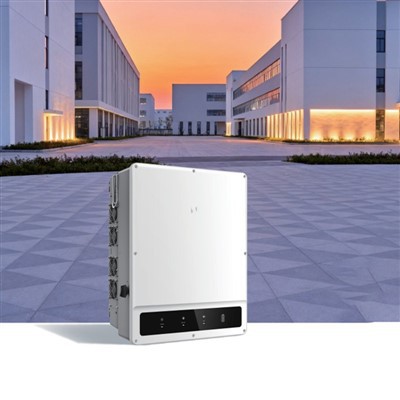
If you’re in the market for an inverter or have any questions about how the load affects performance, don’t hesitate to reach out. I’m here to help you find the right inverter for your needs and ensure that it performs at its best. Whether you’re powering a small off – grid cabin or a large RV, I’ve got the expertise and the products to meet your requirements. Let’s have a chat and see how we can work together to get you the perfect inverter solution.
Commercial and Industrial Energy Storage System References:
- Electronics textbooks on power conversion and inverter technology
- Industry reports on inverter performance and load management
Shandong Yaoqian Energy Storage International Trade Co., Ltd.
We’re well-known as one of the leading inverters manufacturers and suppliers in China, featured by quality products and good price. Please rest assured to buy customized inverters made in China here from our factory.
Address: Lithium Battery Industrial Park, Xingcheng Street, Zaozhuang High-tech Zone, Shandong Province, China
E-mail: boss@yaoqiansmart.com
WebSite: https://www.yaoqiansmart.com/
