As an automation equipment supplier who’s spent the last decade working directly with small family farms and large commercial agribusinesses across the Midwest, I get asked this question at least once a week: Can automation equipment actually work in agriculture? For years, the industry’s been stuck on a myth: that automation is only for factories, not for fields where soil texture, weather, and crop variability change by the foot. Last year alone, I saw a 120-acre corn farm cut their labor costs by 32% and boost yield by 11% after switching to our semi-autonomous planting and irrigation systems, and a 40-acre vegetable operation reduce pesticide use by 47% with robotic weeders that target individual plants instead of blanket spraying. That’s not a gimmick—it’s proof that automation isn’t just possible in agriculture, it’s become a non-negotiable for farms trying to stay profitable amid labor shortages, climate swings, and rising input costs. Automation Equipment
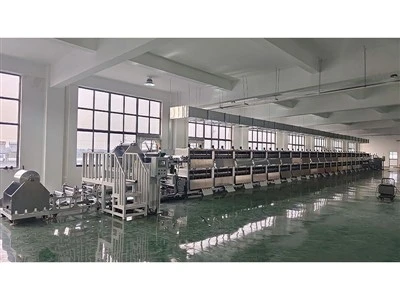
Let’s start with the big pain point that started all this: labor. Back in 2019, a regional farm bureau survey found 68% of small to mid-sized farms in our area couldn’t find enough seasonal harvest workers during peak tomato and corn seasons. That’s not a temporary blip—labor for agriculture has been declining steadily since 2000, when there were 1.2 million more hired farmworkers in the U.S. alone. Before we built our first line of portable, easy-to-program automation equipment for small operations, most farm automation was either too expensive (full autonomous tractors that cost $100k+) or too rigid (custom-built systems that only worked for one specific crop). What made us different is that we designed our equipment to fit existing workflows, not force farms to rearrange their entire operation. For example, our harvest robots for leafy greens hook up to a standard farm utility vehicle, no custom modifications needed, and they can be programmed in an hour to harvest only heads that meet a specific size or ripeness threshold—something even the most experienced seasonal worker can’t do consistently for 12 hours straight.
But critics will rightly point out: agriculture isn’t a factory. A factory has the same product on the same assembly line every day, but a field might have three different soil types, a patch of weeds that pop up only after a rain, and a crop that matures two weeks earlier in a low spot than on a hill. That’s why our automation equipment doesn’t use a one-size-fits-all model—it combines sensor technology, machine learning, and modular design to adapt to real field conditions. Our planting robots, for instance, use soil moisture sensors that sample every square foot of the field, then adjust seeding depth and spacing based on what that specific spot needs. Last spring, a wheat farmer told us his team used to skip planting in low, wet spots because it was too hard to get a tractor through without compacting soil; with our semi-autonomous planting units, those spots now get a lighter seeding rate, and he’s seen a 9% increase in yield from those previously unproductive areas. It’s not replacing human judgment—it’s amplifying it, by handling the repetitive, physical parts of farming so farmers can spend their time making decisions that actually drive results.
Another area where automation is transforming agriculture is sustainability, which is no longer a “nice to have” for most farms—it’s a requirement for meeting customer demands and reducing input costs. Fertilizer and pesticide costs have jumped 80% and 65% respectively since 2020, according to the USDA, and blanket applications of these chemicals often mean 30% or more is wasted, landing on soil or running off into waterways. Our robotic weeders, for example, use computer vision to identify crop plants vs. weeds, and only apply a tiny amount of herbicide (or even just mechanical weeding) to the weed itself. A vegetable farm that switched to these robots last year reduced their herbicide use by 47%—that’s $12,000 in annual savings on chemicals, plus less runoff that helps them qualify for a local sustainable farming certification program that adds 15% to their crop’s selling price. For organic farms, which already have strict rules on inputs, automation is even more critical: we’ve had organic vegetable farms cut their hand-weeding time by 70% with our small, lightweight robotic weeders that don’t damage crop roots, which used to require 2-3 workers per acre during peak growing season.
Now, I won’t sugarcoat the barriers. The biggest one for small farms is upfront cost—even our modular systems cost a fraction of a full autonomous tractor, but it’s still a significant investment. That’s why we’ve worked with 12 regional farm cooperatives over the last three years to offer rental programs and pay-as-you-use pricing, so a 20-acre farm doesn’t have to spend their entire operating budget to test the equipment. We also offer hands-on training, because a lot of farmers I talk to are used to operating tractors, not coding, so we send technicians to their farm for a full week to teach them how to adjust the equipment for their specific crops and fields. Last year, a 25-acre strawberry farm told us they were nervous to try the automation because they didn’t consider themselves “tech people,” but after the training, their son (who’s in high school) was able to program the harvest robot to pick only ripe berries, cutting their harvest time from 8 hours a day to 3, with less waste from over-ripe berries that go bad before they reach the market.
There’s also a common misconception that automation will take jobs away from farmers. From where I sit, that’s not what I’ve seen. The farms that use our automation equipment end up hiring more skilled labor, not less. A corn farm that used to need 10 seasonal workers for planting now only needs 2 to monitor the autonomous planter and adjust settings as needed. Those 8 former workers? Most were rehired for post-harvest processing, which the farm expanded because their higher yield meant they had more corn to mill and package for local customers. For smaller farms, it’s even clearer: a vegetable farm that cuts their hand-weeding time can grow an extra 5 acres of specialty crops, which means they can hire two part-time workers to tend those new acres. Automation doesn’t eliminate farm jobs—it lets farms take on more work that’s actually profitable, instead of being held back by labor shortages.
Looking ahead, the next frontier for agriculture automation is even more exciting, and it’s already in testing on farms we partner with. We’re working on a fully autonomous irrigation system that uses weather data, soil moisture sensors, and crop growth models to water only what the plants need, when they need it. A cotton farmer testing this last summer used 22% less water and boosted yield by 8%—a huge deal in Texas, where droughts have cut water allocations by 40% in the last five years. We’re also developing robotic sorting equipment for grain and produce that can sort based on quality, not just size, which cuts waste from crops that are too “imperfect” for grocery stores, even if they’re just as nutritious.
None of this would be possible if automation was only for factories. What makes agriculture different is that it’s rooted in the land, and the best automation systems are built to work with the land, not against it. For 10 years, we’ve listened to farmers tell us what they actually need—not what engineers think they should have. That’s why our equipment is portable, easy to program, and designed to fit into existing farm operations, not force farms to change how they work.
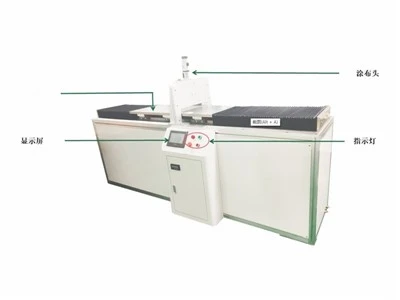
If you’re a farmer who’s been curious about whether automation can work for your operation, or if you’re interested in learning more about how our equipment can help with labor shortages, input costs, or sustainability goals, reach out to our team to set up a time to discuss your specific needs. We offer free on-site assessments to walk your fields, see your current workflows, and show you exactly how automation can make a difference for your farm.
Laboratory Equipment References
- U.S. Department of Agriculture, Economic Research Service. (2024). Farm Labor in the United States: Trends and Challenges.
- National Agricultural Statistics Service. (2023). Agricultural Input Cost Survey: Fertilizer and Pesticide Expenditures.
- Midwest Farm Bureau Federation. (2022). Small to Mid-Size Farm Labor Shortage Survey Results.
- Journal of Agricultural and Resource Economics. (2023). Modular Automation Adoption in Small-Scale Specialty Crop Production.
- USDA Agricultural Marketing Service. (2024). Sustainable Agriculture Certification Programs and Premium Price Data.
Dongguan Innate Intelligent Technology Co., Ltd.
With abundant experience, we are one of the most professional automation equipment manufacturers in China. With a professional production team, we are able to meet the needs of the majority of our customers. Please feel free to buy advanced automation equipment made in China here from our factory. Customized orders are welcome.
Address: Room 201, Building 4, No.92, Fenghuang Road, Dalingshan Town, Dongguan City, Guangdong Province
E-mail: 13316631159@163.com
WebSite: https://www.getinnater.com/
