Hey there! As a supplier of polyurethane foaming glue, I often get asked all sorts of questions about where and how our product can be used. One query that’s been popping up a lot lately is whether our polyurethane foaming glue can be used for bonding ceramic. Well, let’s dive right in and figure this out. Polyurethane Foaming Glue
First things first, let’s talk a bit about what polyurethane foaming glue is. It’s a pretty versatile adhesive that’s made from a combination of chemicals. When you mix these chemicals, they react and expand, creating a foam. This foam then hardens, forming a strong bond. It’s commonly used in construction for things like filling gaps, insulating, and sometimes even for basic bonding jobs.
Now, onto ceramic. Ceramics are a unique material. They’re made from clay and other inorganic materials that are fired at high temperatures. This process gives ceramics their characteristic hardness, durability, and resistance to heat and chemicals. But it also makes them a bit tricky to bond.
So, can our polyurethane foaming glue work on ceramic? The answer is… it depends.
The Pros of Using Polyurethane Foaming Glue on Ceramic
1. Good Filling and Sealing
One of the big advantages of polyurethane foaming glue is its ability to fill gaps. If you’re trying to bond two ceramic pieces that don’t fit together perfectly, the expanding foam can fill in those gaps and create a tight seal. For example, if you’re repairing a ceramic vase with a small crack, the glue can seep into the crack, expand, and hold the pieces together.
2. Easy Application
Applying polyurethane foaming glue is relatively easy. You just need to prepare the surface, shake the can well, and then apply the foam. It doesn’t require any special tools or skills, which makes it a great option for DIY projects involving ceramic repairs.
3. Flexibility
Once it cures, polyurethane foam has a certain degree of flexibility. This can be useful when bonding ceramic to other materials. For instance, if you’re attaching a ceramic tile to a slightly flexible surface, the foam can absorb some of the movement without breaking the bond.
The Cons of Using Polyurethane Foaming Glue on Ceramic
1. Limited Shear Strength
Shear strength refers to the ability of an adhesive to resist forces that try to slide the bonded surfaces past each other. Ceramics are often subject to shear forces, especially in applications like tile installation. Polyurethane foaming glue may not have the high shear strength required for some ceramic bonding jobs. So, if you’re using it to bond a large ceramic countertop or a heavy ceramic object, it might not hold up well over time.
2. Surface Compatibility
Ceramic surfaces are smooth and non-porous. Polyurethane foaming glue typically works better on porous surfaces, as the foam can penetrate and create a stronger mechanical bond. On ceramic, the bonding may rely more on the chemical adhesion, which can be less reliable, especially if the surface isn’t properly prepared.
3. Aesthetic Concerns
The foam from polyurethane foaming glue can be a bit messy. Once it expands, it can be difficult to control its shape and size. If you’re using it for a visible ceramic project, like a decorative ceramic piece, the excess foam can be an eyesore and may require a lot of cleanup and sanding to make it look presentable.
Tips for Using Polyurethane Foaming Glue on Ceramic
If you decide to give it a try, here are some tips to increase your chances of success:
1. Surface Preparation
Clean the ceramic surface thoroughly. Remove any dirt, grease, or dust. You can use a mild detergent and water, followed by a clean, dry cloth. If possible, lightly sand the surface to create some texture. This will help the foam adhere better.
2. Test the Glue
Before you start a large project, do a small test on a scrap piece of ceramic. This will allow you to see how the glue bonds, how it expands, and whether it’s suitable for your needs.
3. Apply in Small Amounts
To avoid excess foam and make the cleanup easier, apply the glue in small, controlled amounts. You can always add more if needed.
4. Use Clamps or Supports
While the glue is curing, it’s a good idea to use clamps or other supports to hold the ceramic pieces together. This will ensure a strong bond and prevent the pieces from moving.
Real – World Applications
There are some situations where polyurethane foaming glue can be a great option for ceramic bonding.
DIY Ceramic Repairs
For minor ceramic repairs around the house, like fixing a cracked ceramic figurine or a chipped ceramic planter, our glue can do the job. Just follow the surface preparation steps, apply the glue carefully, and give it time to cure.
Tile Underlay Fixing
When installing ceramic tiles, you might use polyurethane foaming glue to fix the underlay or to fill small gaps between the tiles and the substrate. It can provide a quick and easy solution, as long as the tiles aren’t subject to heavy traffic or high shear forces.
In conclusion, while polyurethane foaming glue can be used for bonding ceramic in certain situations, it’s not a one – size – fits – all solution. You need to consider the specific requirements of your project, the type of ceramic, and the forces the bond will be subjected to.
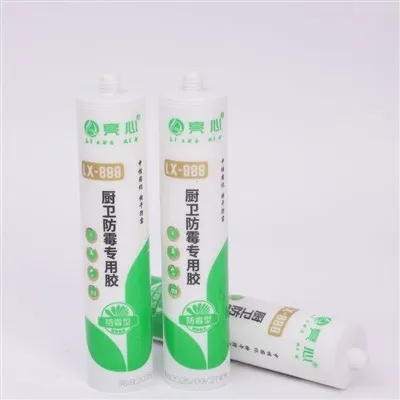
If you’re still not sure whether our polyurethane foaming glue is right for your ceramic bonding project, or if you have any other questions, don’t hesitate to reach out. We’re here to help you make the best decision and get the most out of our product. Whether you’re a DIY enthusiast or a professional contractor, we’ve got the expertise and the high – quality polyurethane foaming glue you need. Contact us to start a discussion about your procurement needs, and let’s work together to find the perfect solution for your ceramic bonding projects.
Manual Glass Glue Gun References:
- "Adhesives and Sealants Handbook" by David A. Dillard
- "Ceramics: Structure, Properties, and Applications" by W. D. Kingery
Shandong Liangxin Adhesives Co., Ltd.
We are one of the most professional polyurethane foaming glue manufacturers in China, featured by quality products and good service. Please rest assured to wholesale high-grade polyurethane foaming glue in stock here and get pricelist from our factory. We also accept customized orders.
Address: Industrial Park, Jiudu Sub-district, Hedong District, Linyi City, Shandong Province, China
E-mail: 15253909280@139.com
WebSite: https://www.liangxinglue.com/
