Float level sensors are essential devices in various industries, including chemical processing, water treatment, and food and beverage production. These sensors play a crucial role in monitoring and controlling the level of liquids in tanks, ensuring efficient and safe operations. However, one of the most significant challenges faced by float level sensors is corrosion. Corrosion can compromise the accuracy and reliability of the sensors, leading to costly downtime and potential safety hazards. As a float level sensor supplier, I understand the importance of protecting these sensors from corrosion. In this blog post, I will share some practical tips on how to protect a float level sensor from corrosion. Float Level Sensor
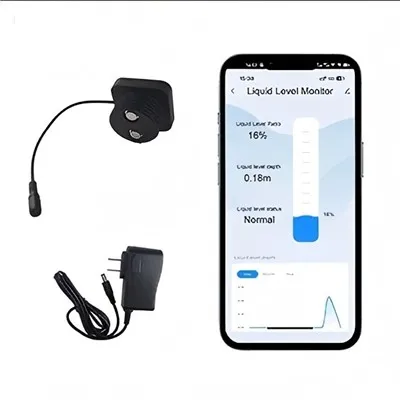
Understanding Corrosion in Float Level Sensors
Before we delve into the protection methods, it’s essential to understand what causes corrosion in float level sensors. Corrosion is a natural process that occurs when a metal reacts with its environment, typically oxygen and moisture. In the context of float level sensors, the metal components of the sensor, such as the float, stem, and electrical contacts, are exposed to the liquid being measured. If the liquid contains corrosive substances like acids, alkalis, or salts, it can accelerate the corrosion process.
There are several types of corrosion that can affect float level sensors:
- Uniform corrosion: This is the most common type of corrosion, where the entire surface of the metal is corroded at a relatively uniform rate. It is often caused by exposure to a corrosive liquid or a harsh chemical environment.
- Pitting corrosion: Pitting corrosion occurs when small holes or pits form on the surface of the metal. These pits can penetrate deep into the metal, weakening its structure and potentially leading to sensor failure.
- Galvanic corrosion: Galvanic corrosion happens when two different metals are in contact with each other in the presence of an electrolyte (such as a conductive liquid). The more reactive metal corrodes at an accelerated rate, while the less reactive metal is protected.
Selecting the Right Materials
One of the most effective ways to protect a float level sensor from corrosion is to select the right materials for its construction. Different materials have different levels of resistance to corrosion, so it’s crucial to choose materials that are compatible with the liquid being measured.
- Stainless steel: Stainless steel is a popular choice for float level sensors due to its excellent corrosion resistance. It contains chromium, which forms a passive oxide layer on the surface of the metal, protecting it from further corrosion. However, not all stainless steels are created equal. For example, 304 stainless steel is suitable for many general-purpose applications, but it may not be sufficient for highly corrosive environments. In such cases, 316L stainless steel, which contains molybdenum for enhanced corrosion resistance, is a better choice.
- Plastic materials: Plastic materials such as polypropylene (PP), polyethylene (PE), and polyvinyl chloride (PVC) are also commonly used in float level sensors. These materials are lightweight, inexpensive, and have good chemical resistance. They are particularly suitable for applications where the liquid is non-conductive or mildly corrosive.
- Titanium: Titanium is a highly corrosion-resistant metal that is often used in harsh chemical environments. It forms a stable oxide layer on its surface, which provides excellent protection against corrosion. However, titanium is relatively expensive, so it is typically used in applications where the benefits outweigh the cost.
Surface Treatment
In addition to selecting the right materials, surface treatment can also enhance the corrosion resistance of float level sensors. There are several surface treatment methods available, including:
- Coating: Applying a protective coating to the surface of the sensor can provide a barrier between the metal and the corrosive environment. Common coating materials include epoxy, polyurethane, and PTFE (polytetrafluoroethylene). These coatings can improve the sensor’s resistance to chemicals, abrasion, and moisture.
- Anodizing: Anodizing is an electrochemical process that forms a protective oxide layer on the surface of aluminum and other metals. The oxide layer is hard, durable, and corrosion-resistant. Anodized aluminum components are commonly used in float level sensors, as they offer good protection against corrosion and wear.
- Passivation: Passivation is a chemical treatment process that removes free iron and other contaminants from the surface of stainless steel, leaving behind a clean, corrosion-resistant surface. Passivated stainless steel components are less likely to corrode in the presence of oxygen and moisture.
Proper Installation
Proper installation is crucial for ensuring the long-term performance and corrosion resistance of float level sensors. Here are some installation tips to keep in mind:
- Avoid contact with corrosive materials: During installation, make sure that the sensor is not in direct contact with any corrosive materials, such as chemicals, solvents, or acidic substances. If necessary, use a protective barrier or insulation material to separate the sensor from the corrosive environment.
- Proper grounding: Grounding the sensor can help prevent static electricity buildup, which can attract corrosive particles and accelerate the corrosion process. Make sure that the sensor is properly grounded according to the manufacturer’s instructions.
- Sealing and gasketing: Use high-quality seals and gaskets to prevent the ingress of moisture and corrosive liquids into the sensor. Make sure that the seals are installed correctly and are in good condition.
Regular Maintenance and Inspection
Regular maintenance and inspection are essential for detecting and preventing corrosion in float level sensors. Here are some maintenance tips to keep in mind:
- Clean the sensor regularly: Clean the sensor regularly to remove any dirt, debris, or corrosive substances that may have accumulated on its surface. Use a mild detergent and a soft cloth to clean the sensor, and avoid using abrasive materials or harsh chemicals.
- Inspect the sensor for signs of corrosion: Regularly inspect the sensor for signs of corrosion, such as rust, pitting, or discoloration. If you notice any signs of corrosion, take immediate action to address the issue. This may involve cleaning the sensor, applying a protective coating, or replacing the corroded components.
- Monitor the performance of the sensor: Monitor the performance of the sensor regularly to ensure that it is functioning properly. If you notice any changes in the sensor’s output or behavior, such as inaccurate readings or erratic signals, it may be a sign of corrosion or other problems. In such cases, contact a qualified technician for further inspection and repair.
Environmental Considerations
The environment in which the float level sensor is installed can also have a significant impact on its corrosion resistance. Here are some environmental considerations to keep in mind:
- Temperature and humidity: High temperatures and humidity can accelerate the corrosion process, so it’s important to install the sensor in a cool, dry environment. If the sensor is exposed to high temperatures or humidity, consider using a protective enclosure or ventilation system to reduce the temperature and humidity levels.
- Chemical exposure: If the sensor is exposed to chemicals, make sure that it is compatible with the chemicals. If necessary, use a sensor that is specifically designed for use in chemical environments.
- Water quality: The quality of the water being measured can also affect the corrosion resistance of the sensor. If the water contains high levels of dissolved solids, salts, or other contaminants, it can accelerate the corrosion process. In such cases, consider using a water treatment system to remove the contaminants before measuring the water level.
Conclusion
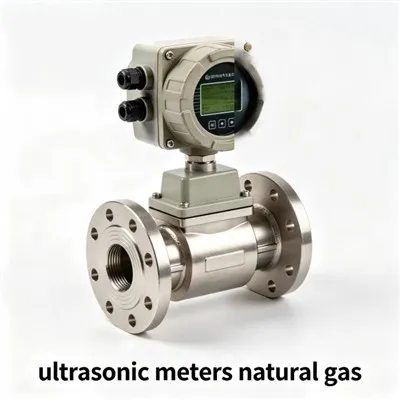
Protecting a float level sensor from corrosion is essential for ensuring its long-term performance and reliability. By selecting the right materials, applying surface treatments, installing the sensor properly, performing regular maintenance and inspection, and considering the environmental factors, you can significantly reduce the risk of corrosion and extend the lifespan of the sensor.
Hall Flow Meter As a float level sensor supplier, I am committed to providing high-quality sensors that are designed to withstand the most challenging environments. If you have any questions or need further assistance with protecting your float level sensors from corrosion, please feel free to contact us. We would be happy to discuss your specific requirements and provide you with the best solutions.
References
- Callister, W. D. (2007). Materials Science and Engineering: An Introduction. John Wiley & Sons.
- Uhlig, H. H., & Revie, R. W. (1997). Corrosion and Corrosion Control: An Introduction to Corrosion Science and Engineering. John Wiley & Sons.
-ASM Handbook Committee. (2004). ASM Handbook, Volume 13A: Corrosion: Fundamentals, Testing, and Protection. ASM International.
Shenzhen Fineherc Technology Co., Ltd.
As one of the most experienced float level sensor suppliers in China, we’re featured by quality products and low price. Please feel free to buy discount float level sensor made in China here from our factory. Welcome to view our website for more information.
Address: 5th Floor, Building D, No. 39, Keji East Road, Torch Development Zone, Zhongshan City,China
E-mail: fineherc@hotmail.com
WebSite: https://www.fineherc.com/
