Hey there! I’m a supplier in the diagnostic and surgical device game, and today we’re gonna dig into what the Internet of Things (IoT) means for our neck of the woods. The IoT is basically all about connecting devices and getting them to share data. It’s like a digital party where everything’s talking to everything else. And in the world of diagnostic and surgical devices, this tech is starting to shake things up big time. Diagnostic and Surgical Device
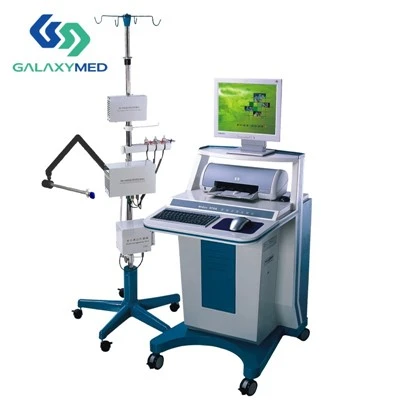
Let’s first talk about the good stuff. One of the major upsides of IoT in diagnostic devices is the ability to gather real – time data. Take, for example, a patient with a chronic condition who’s using a home diagnostic monitor. With IoT, that monitor can send data straight to the doctor’s office. No more waiting for the next check – up to share how you’ve been feeling. The doc can see trends in your vital signs, like your heart rate or blood pressure, right as they happen. This means quicker detection of problems. If your blood pressure suddenly spikes, the system can alert your doctor, and they can take action right away.
For us as device suppliers, this is a game – changer. We can offer more value to our customers, like hospitals and clinics. They’re always looking for ways to improve patient care, and IoT – enabled diagnostic devices give them a leg up. We can provide devices that are not just tools for taking measurements but also part of a larger data – sharing network that helps in better decision – making.
But it’s not just about the diagnostic side. In the surgical world, IoT is making surgeries smarter. Surgical devices can now be connected to a central system. For instance, a robotic surgical arm can send data about its movements, force applied, and the position of the surgical instruments. This data can be analyzed in real – time to ensure that the surgery is going as planned. Surgeons can get instant feedback, which can lead to more precise and safer surgeries.
We’re also starting to see IoT being used for pre – and post – operative care. Before surgery, IoT – connected devices can gather a patient’s health history, imaging results, and other relevant data. This information can be used to create a personalized surgical plan. After the surgery, connected monitors can track the patient’s recovery progress, detecting any signs of infection or other complications early on.
Now, let’s chat about how this affects us as suppliers. On one hand, it opens up new opportunities. We can develop and sell more advanced, IoT – enabled products. These products can command a higher price point because of the added functionality. For example, an IoT – enabled X – ray machine that can automatically send images to a radiologist’s phone or computer is going to be more appealing than a traditional one.
We can also build long – term relationships with our customers. By providing ongoing support for the IoT systems, like software updates and data management services, we become more than just a device seller. We become a partner in their healthcare journey.
However, there are also some challenges. Security is a huge concern. With all this data being shared between devices, we need to make sure it’s safe. Hackers could potentially access patient information or even interfere with the operation of surgical devices. That’s a scary thought! We need to invest in top – notch security measures, like encryption and secure networks, to protect our customers and their patients.
Another challenge is the cost of development. Developing IoT – enabled devices takes a lot of time and money. We have to hire engineers and researchers who are well – versed in IoT technology. And once the devices are out, we need to constantly update and improve them to keep up with the latest tech trends.
In terms of marketing, we have to educate our customers about the benefits of IoT – enabled devices. A lot of healthcare providers might be hesitant to switch from traditional devices to new, connected ones. We need to show them how these devices can save time, improve patient outcomes, and reduce costs in the long run.
Overall, the implications of IoT for diagnostic and surgical devices are mostly positive. It’s a new frontier in healthcare technology, and we’re excited to be a part of it. We believe that as we overcome the challenges, we can offer even better products to our customers.
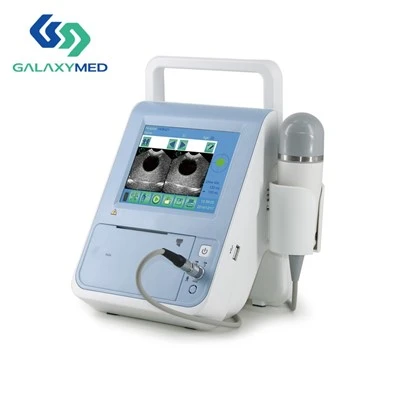
If you’re in the market for diagnostic or surgical devices and are interested in learning more about how IoT can benefit your practice, we’d love to have a chat with you. Just reach out to start a procurement discussion. We’re here to help you make the most of this exciting technology.
Diagnostic and Surgical Device References
- Gubbi, Jayavardhana, et al. "Internet of Things (IoT): A vision, architectural elements, and future directions." Future generation computer systems 29.7 (2013): 1645 – 1660.
- Atzori, Luigi, Antonio Iera, and Giacomo Morabito. "The internet of things: A survey." Computer networks 54.15 (2010): 2787 – 2805.
- Li, Shancang, Luigi Atzori, and Antonio Iera. Internet of things: Networking technologies, protocols, and standards. Springer, 2015.
Galaxymed Technology Co., Ltd.
As one of the most professional diagnostic and surgical device suppliers in China, we’re featured by good quality products and in-time service. Please rest assured to buy hospital grade diagnostic and surgical device made in China here and get quotation from our factory. Also, small qty acceptable.
Address: 88 Dongchang Road, Suzhou Industrial Park, Suzhou City, Jiangsu Province, China
E-mail: Sales@galaxymed.com.cn
WebSite: https://www.galaxy-medic.com/
