Hey there! I’m a supplier of FRP construction material, and today I wanna chat about the flexibility of FRP construction material. Y’know, FRP, or fiber – reinforced polymer, has been making waves in the construction world for a good reason, and its flexibility is one of the big selling points. FRP Construction Material
First off, let’s talk about what flexibility means in the context of construction materials. Flexibility isn’t just about being able to bend the material a little bit. It’s about how well it can adapt to different design requirements, load conditions, and environmental factors. And FRP really shines in these areas.
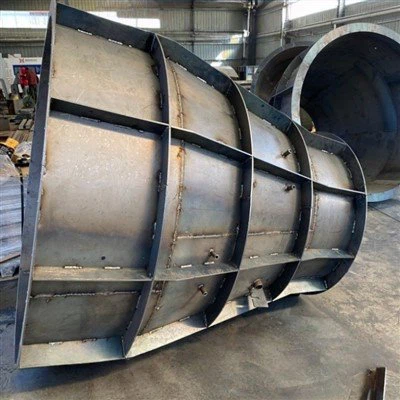
One of the coolest things about FRP is its ease of shaping. Unlike traditional construction materials like steel or concrete, FRP can be molded into just about any shape you can dream of. Whether you need a complex curved structure for a modern architectural masterpiece or a simple rectangular beam for a standard building, FRP can do it. I’ve seen it used to create some truly wild and amazing designs that would have been a real headache to pull off with other materials.
Let’s say you’re working on a project that requires a custom – shaped handrail. With steel, you’d have to go through a bunch of welding and bending processes, which can be time – consuming and expensive. And if you make a mistake, well, you’re in for a world of trouble. But with FRP, you can use a mold to create the exact shape you need with relative ease. You just pour in the FRP resin and let it cure, and you’ve got your handrail. It’s that simple!
Another aspect of flexibility is the ability to handle different loads. FRP has a high strength – to – weight ratio, which means it can support heavy loads while still being relatively lightweight. This is a huge advantage in construction, especially in situations where weight is a concern, like in bridge construction or in high – rise buildings.
Take bridges, for example. Traditional steel bridges are heavy, which means they require more support structures and can be more expensive to build. FRP bridges, on the other hand, are lighter and can be installed more quickly. They can also handle a lot of stress and load without cracking or failing. I’ve seen some FRP footbridges that have been in use for years, and they’re still holding up great, even in areas with high foot traffic.
FRP is also super flexible when it comes to environmental conditions. It’s resistant to corrosion, which is a major problem for materials like steel. In coastal areas or industrial settings where there’s a lot of moisture or chemicals in the air, steel can rust and weaken over time. But FRP doesn’t have this issue. It can withstand harsh weather conditions, from extreme heat to freezing cold, without losing its structural integrity.
I remember one project where we supplied FRP panels for a building near a chemical plant. The panel manufacturer was worried that the chemicals in the air would damage the panels over time. But after a few years, when they did an inspection, the FRP panels were still in top – notch condition. There was no sign of corrosion or degradation at all.
In terms of installation, FRP materials are also very flexible. They’re easier to cut, drill, and assemble compared to traditional materials. A small construction team can handle the installation of FRP components without the need for heavy – duty equipment in many cases. This can save a lot of time and money on construction projects.
Let’s think about the situation on a building site. If you’re using concrete for a partition wall, you need to set up forms, pour the concrete, and then wait for it to cure. It’s a long and labor – intensive process. But with FRP panels, you can just cut them to size, attach them to the frame, and you’re good to go. It speeds up the whole construction process and gets the building up and running much faster.
Now, let’s talk about cost – effectiveness, which is another form of flexibility. FRP materials can be a more budget – friendly option in the long run. Sure, the upfront cost might be a bit higher in some cases compared to traditional materials like wood or steel. But when you factor in the lower maintenance costs, longer lifespan, and faster installation times, it often works out to be a better deal.
For example, if you’re building a storage shed. A wooden shed might be cheaper to build initially, but it’ll need regular painting and maintenance to prevent rot and termite damage. Over time, these costs can add up. An FRP shed, however, requires very little maintenance and can last for decades, so you’ll save money in the long term.
FRP also offers flexibility in terms of color and finish. You can choose from a wide range of colors and textures to match the aesthetic requirements of your project. Whether you want a matte finish for a more industrial look or a glossy finish for a modern and sleek appearance, FRP can deliver. This is great for architects and designers who want to create unique and eye – catching buildings.
In some of the projects I’ve been involved in, we’ve seen clients use FRP to create facades that look like natural stone or wood. The ability to mimic these natural materials while still getting the benefits of FRP, like durability and low maintenance, is a huge plus.
So, as you can see, the flexibility of FRP construction material is really something special. It can adapt to different design needs, handle various loads, withstand harsh environments, simplify installation, and fit different budgets and aesthetics. If you’re in the construction business, whether you’re an architect, a builder, or a project manager, you really should consider using FRP materials in your next project.

If you’re interested in learning more about our FRP construction materials or want to discuss a potential purchase, don’t hesitate to reach out. I’m here to answer any questions you might have and help you find the right FRP solutions for your project. Let’s work together to bring your construction dreams to life!
FRP Mold References
- "Fiber – Reinforced Polymer (FRP) Composites in Construction: State – of – the – Art Review." Journal of Composites for Construction.
- "Analysis and Design of FRP Structures." Textbook on FRP applications in construction.
Hebei Weihan Environmental Protection Equipment Co., Ltd.
We’re well-known as one of the leading FRP construction material manufacturers and suppliers in China, featured by quality products and good service. Please rest assured to buy customized FRP construction material at competitive price from our factory. Contact us for more details.
Address: No. 666 Chuangye Road, Zaoqiang County, Hengshui City, Hebei Province
E-mail: weihanmachine@gmail.com
WebSite: https://www.whanfrp.com/
