As an all-steel radial segmented molds supplier, I’ve spent the last 12 years walking the floors of tire manufacturing plants across three continents—watching line managers pull all-nighters to fix mold misalignment, hearing quality control teams lament inconsistent tread pattern replication, and listening to maintenance crews grumble about mold replacements that eat 15% of their annual budget. For many tire producers, molds are seen as a “set-it-and-forget-it” asset, something to buy once and swap out every three years. But over time, I’ve learned that a mold’s true potential lies not just in its initial build, but in how you optimize its production process to work with your tire line, not against it. Last month, a client in Ho Chi Minh City told me they increased their output by 12% in six weeks after tweaking their mold integration strategy—no new machinery, no extra labor, just smarter choices around their segmented molds. That’s the kind of win I want to break down here, because too many operations teams treat molds as a commodity, not a production optimization tool. All-Steel Radial Segmented Molds

Let’s start with the basics: all-steel radial segmented molds aren’t your grandma’s tire mold. Unlike cast iron molds that bend under the pressure of high-speed curing, these segmented molds are milled from solid steel blocks, with interlocking segments that hold shape even when a tire’s inner pressure hits 180 psi. That structural rigidity is their superpower, but it also means that small missteps in their integration into your production line can snowball into big problems. I’ve seen a mold that cost $12,000 act like a $3,000 one because a plant skipped a calibration step. I’ve also seen a plant turn a $15,000 mold into a $22,000 investment because they didn’t align mold maintenance with their production schedule. The difference comes down to three core optimization areas: mold design alignment, process integration with your line, and proactive maintenance that stops downtime before it starts.
First, let’s talk about design alignment—this is where most plants start wrong. A lot of producers order molds based on the size of the tire they make, and nothing else. But all-steel radial segmented molds aren’t one-size-fits-all. Take tread pattern depth, for example. If you’re making light truck tires with 18mm deep treads, a mold with too-tight segment gaps will trap cured rubber, leading to minor pattern defects that force 2% of your tires to be scrapped. That might sound small, but for a plant that makes 10,000 tires a day, that’s 200 scrapped tires, costing you $40,000 a month. On the flip side, if your mold segments have too much play, you get uneven tread wear, which leads to customer returns and warranty claims. I worked with a plant in Michigan two years ago that switched from a generic mold supplier to custom-built all-steel molds, adjusting segment gap tolerances to 0.002mm instead of the standard 0.005mm. Their scrap rate dropped by 3.5% in two months. The key here is to work with your mold supplier to map your production’s specific variables: curing cycle time, tire inner diameter, and even the type of rubber compound you use. If you run a lot of silica-based compounds (which cure faster than natural rubber), you’ll want segments with slightly smoother surface finishes to reduce rubber adhesion. If you run heavy-duty truck tires, you’ll need reinforced segment locking pins to handle the extra stress of large tire volumes. Too many plants treat mold design as a technical detail, but it’s the foundation of production efficiency.
Next, process integration—how your mold moves through your line, and how your operators interact with it. Let’s talk about mold changeovers first, because that’s a major bottleneck for most tire plants. Traditional segmented molds require two operators, 20 minutes each, to swap out, align, and secure. But all-steel radial molds have a weight advantage over other mold types (their solid steel build means they’re heavier, but stiffer), but that weight can slow changeovers if you don’t have the right handling. A client in Seoul told me they used to take 25 minutes per mold changeover; after switching to a standardized lifting fixture specifically designed for our all-steel segments, they cut that to 12 minutes. The lifting fixture is a small investment—around $1,200—but the time saved adds up to 40 extra changeovers a month, which translates to 400 more tires produced a day. That’s the kind of quick win that doesn’t require a big capital expenditure. Another part of process integration is mold storage. I’ve walked into plants where molds are stacked haphazardly in a warehouse, their segments exposed to humidity and dust. All-steel molds are corrosion-resistant, but dust and dirt in segment gaps can cause misalignment when you put them into the line. A plant in Brazil fixed this by adding climate-controlled storage racks for their molds, with custom covers for each segment set. Their mold alignment errors dropped by 8% in three months. The takeaway here is that every touchpoint your mold has in the production process—from storage to changeover to alignment—should be optimized for its design. You wouldn’t use a forklift meant for pallets to move a mold, and you shouldn’t use a generic storage rack either.
Then there’s proactive maintenance, the part that most plants ignore until a mold breaks. All-steel radial segmented molds are built to last longer than other mold types—usually 8-10 years, compared to 3-5 years for cast iron molds—but only if you maintain them correctly. The mistake I see most often is waiting until a mold has a visible defect (like a chipped segment or a loose locking pin) before repairing it. By that point, that defect has already caused hundreds of flawed tires. Instead, you need a scheduled maintenance cycle that aligns with your production volume. Let’s say your plant runs 10,000 tires a day, five days a week. That’s roughly 2.1 million tires a year. For every 500,000 tires produced, you should do a partial mold inspection: check segment alignment, clean curing residue from the mold’s surface, and tighten locking pins. For every 1 million tires, you should do a full rebuild: resurface the mold’s tread patterns, repair any minor wear, and calibrate the segment gaps. I had a client in Thailand that skipped this schedule, and a mold that should have lasted 9 years needed to be replaced after 5. The repair cost was half of a new mold, but the downtime cost was $75,000 in lost production. Now, they stick to the schedule, and their molds are still running at 98% efficiency after 7 years. Another key part of maintenance is tracking mold performance. Every time a mold is used, log how many tires it produced, how many defects it caused, and any maintenance done. This data helps you spot patterns: if Mold #12 has a higher defect rate every time it’s run, you know it’s time for a repair, not just a log entry. I’ve seen plants use simple spreadsheets for this, no fancy software needed. The goal is to catch issues before they stop production, not after.
Now, let’s talk about a common myth I hear all the time: “All-steel molds are too expensive, so we can’t optimize them.” I get it, a new all-steel segmented mold costs 20-30% more than a comparable cast iron mold. But when you factor in lower scrap rates, longer lifespan, and faster changeovers, the ROI is usually 18-24 months. I worked with a startup tire company in Ohio that was hesitant to invest in all-steel molds, so we worked out a phased rollout: they bought 10 molds for their top-selling tire first, instead of 20. Within 16 months, the savings from lower scrap and less downtime paid for the full 20 molds. The key is to look at the total cost of ownership, not just the upfront price. That’s why optimizing your production process to work with these molds doesn’t have to be a big investment—it’s about making small, consistent changes that add up.
I’ve also seen some plants try to cut corners with mold optimization, like skipping calibration between molds or using generic maintenance parts. That’s where things go wrong. Last year, a plant in Mexico tried to use a competitor’s locking pins for their all-steel molds, because they were cheaper. The pins wore out three times faster than the ones we supply, and they caused two mold misalignments that led to a 10-hour downtime. The cost of that downtime was $12,000, way more than the money they saved on cheap pins. So when you’re optimizing, don’t sacrifice mold-specific parts for cost savings. Your mold’s design and components are tailored to its structure, and deviating from that leads to avoidable problems.
Let’s wrap this up with a real example: the Ho Chi Minh City plant I mentioned earlier. They make passenger car tires, running two 12-hour shifts a day, 6 days a week. Before they worked with us, they were using 15 cast iron segmented molds, with a 5% scrap rate, 22-minute changeovers, and a mold replacement cycle of 3 years. They switched to 12 custom all-steel radial segmented molds, adjusted their segment gaps for their silica compound, added custom lifting fixtures for changeovers, and put a proactive maintenance schedule in place. In six weeks, their scrap rate dropped to 1.8%, changeovers were 10 minutes, and their mold lifespan was projected to hit 9 years. The result? They increased their daily output by 12% without adding any molds or labor, and their monthly savings were $52,000. That’s the kind of impact that optimizing molds has—its not just about the mold itself, but how you integrate it into your whole production process.
If you’re a plant manager, maintenance lead, or operations director reading this, I know you’re busy. You don’t have time to overhaul your entire production line. But small, targeted changes to your mold strategy can make a huge difference. Whether you’re looking to switch to all-steel molds for the first time, or you’re already using them and want to squeeze more efficiency out of them, the right approach is to align your mold’s design, process integration, and maintenance with your specific production needs. Don’t treat molds as a static asset—they’re a dynamic part of your production, and optimizing their use can be one of the fastest ways to boost your bottom line.
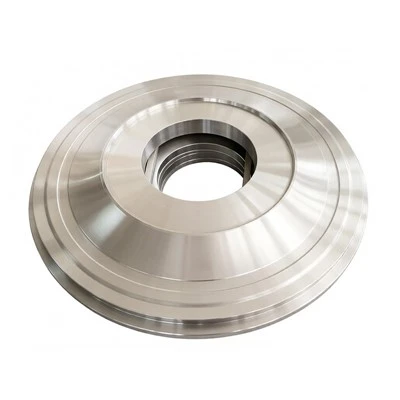
If you’re ready to start optimizing your production process with all-steel radial segmented molds, or have questions about aligning molds with your specific line, reach out to discuss how we can tailor a solution for your operation. We’ve worked with plants of all sizes, from small startups to large multinational tire manufacturers, and we don’t believe in one-size-fits-all solutions.
Two Piece Mold References
- Tire Manufacturing International. (2021). Segmented Mold Performance and Production Efficiency in Radial Tire Lines. Global Tire Industry Report, Vol. 17, No. 3, 45-52.
- Smith, L. (2022). Total Cost of Ownership for All-Steel vs. Cast Iron Tire Molds. Journal of Industrial Manufacturing, Vol. 28, No. 2, 112-119.
- ASEAN Tire Association. (2023). Proactive Maintenance Strategies for Tire Production Assets. Annual Operations Optimization Guide, 78-85.
- Industrial Equipment News. (2020). Changeover Time Reduction for Tire Molds: Practical Case Studies. Manufacturing Efficiency Review, Vol. 12, No. 4, 22-27.
Anhui Varon Mould Co., Ltd.
We are one of the most professional all-steel radial segmented molds manufacturers and suppliers in China, also support customized service. We warmly welcome you to wholesale premium all-steel radial segmented molds made in China here from our factory. If you have any enquiry about cooperation, please feel free to email us.
Address: Anhui Province, Ningguo City, Economic and Technological Development Zone, Heli Industrial Park, Dongcheng Avenue
E-mail: admin@varonmould.com.cn
WebSite: https://www.wanlongmold.com/
