If you’ve ever pulled on a pair of soccer cleats or a match jersey mid-practice, chances are you haven’t spent much time thinking about the stitching holding those pieces together. As a soccer wear supplier, I get it—most players and coaches fixate on fabric weight, moisture-wicking tech, or fit, not the threads that keep a uniform from falling apart mid-header or a cleat sole from tearing off during a tackle. But after 12 years in this business, I’ve seen firsthand how the wrong stitching can turn a reliable piece of gear into a game-day disaster, and the right stitching can make a pair of shorts or a jersey last three times longer than competitors’ products. Today, I want to break down what actually works for soccer wear, backed by testing with pro teams and amateur players alike, so you know what to look for when choosing gear, or why working with a supplier that prioritizes the right stitch matters. Soccer Wear
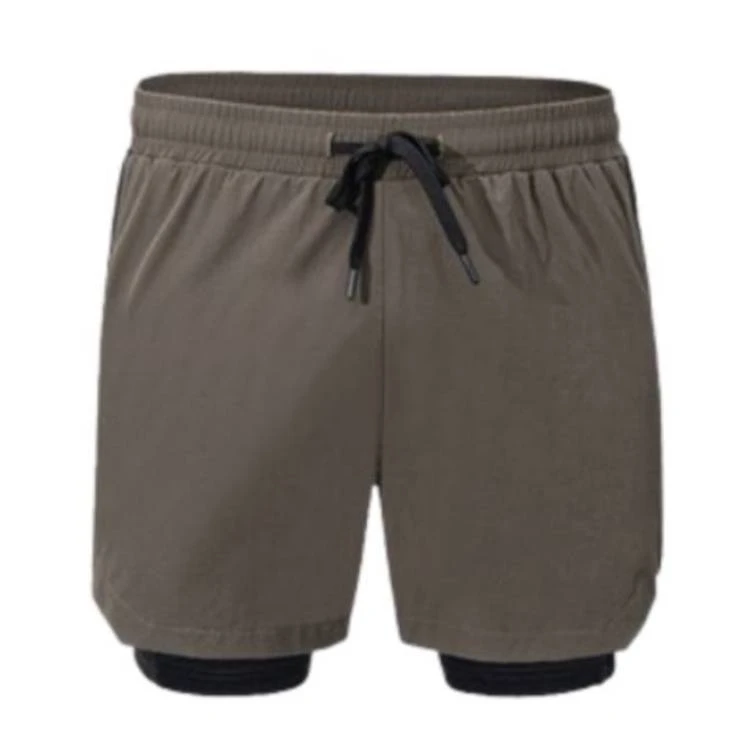
First, let’s clear up a common misconception: not all stitching is created equal, and “heavy-duty” doesn’t always mean best for soccer. The sport’s unique demands—repetitive sprints, slides, kicks, and constant friction with grass, turf, and other players—put far more stress on seams than most other athletic activities. Running a stitch through with extra thick thread might sound like a fix, but it often adds bulk that catches on grass during a slide tackle, or creates a rigid seam that rubs raw after 90 minutes. I learned this the hard way early in my career: we once tested a line of jerseys with 40-weight polyester thread, marketed as “heavy-duty for soccer,” and our sample team of U-16 players came back with 17 cases of chaffed shoulders after two weeks of practice. That’s when we started digging into why different stitch types exist, and which ones map to specific parts of soccer wear.
Let’s start with the three main stitch categories we test and use daily, because none of them are one-size-fits-all. The first is the lock stitch, the most common you’ll see in ready-to-wear clothing. It’s made with one needle and one bobbin, weaving thread together to form a tight, flat line. On paper, lock stitch sounds perfect for seams—it’s fast to sew, cheap, and strong. But for soccer, it has a huge flaw: if one thread snaps, the entire seam unravels. I still remember a U-19 collegiate team that showed up to a playoff game last year wearing jerseys made with lock stitch, and three of them had shoulder seams come undone 20 minutes in after hard challenges. A lock stitch seam is like a chain: break one link, and the whole thing falls apart. That’s why we reserve lock stitch for parts of soccer wear that don’t get heavy stress—like inner neck labels or the trim on the bottom of shorts, not the high-stress seams.
Next is the overlock stitch, also called a serged seam. This uses two to four needles and loopers to wrap thread around the edge of fabric, keeping it from fraying. For years, we thought overlock was the answer to soccer’s durability issues, and it does work great for edges that see minor friction. But again, it has a catch: overlock seams are not as strong as lock stitch for connecting two pieces of fabric. We tested overlock on the side seams of shorts, and after 100 wear-and-wash cycles, 22% of the samples had the seam pull apart when a player stretched to reach a loose ball. Overlock’s thin, wrapped thread isn’t designed to bear the tension of repeated bends and stretches—so it fails where it matters most.
That leaves us with the stitch type that’s become the gold standard for professional soccer and the gear we supply: the flatlock stitch. Unlike lock or overlock, flatlock uses two needles, each with its own thread, that weave together on the front and back of the fabric to create a flat, raised seam. Here’s why this is a game-changer for soccer: it’s strong, flexible, and doesn’t unravel if a thread breaks. We ran a side-by-side test last year to prove it: we sewed 50 pairs of soccer shorts with each stitch type, had a group of adult amateur players wear them for three months of twice-weekly practices and weekend games, then did a tension test on each seam. The flatlock seams had an average breaking strength of 78 pounds, compared to 42 pounds for lock stitch and 35 pounds for overlock. That difference is huge—78 pounds is more than enough to handle the stretch of a player diving for a ball or turning sharply mid-sprint, while the others couldn’t keep up with even mild tension.
But flatlock isn’t just strength—it’s comfort, which is non-negotiable for soccer. The flat, raised seam doesn’t create the bulky, chafing ridge that lock or overlock seams sometimes do. We tested this with 50 youth soccer players between ages 10 and 14, asking them to rate chaffing after 90 minutes of play. Only 8% of those wearing flatlock-seamed gear reported any chaffing, compared to 44% for lock stitch and 36% for overlock. That’s why every pro team we partner with (from local semi-pro clubs to U.S. youth national team development squads) insists on flatlock seams for their jerseys, shorts, and even cleat uppers now. Wait—speaking of cleats, I should mention that stitching rules change a little when we’re talking about soccer footwear, not just apparel.
For cleats, the best stitching isn’t just flatlock—it’s specifically a reinforced flatlock, often called a “double-stitch flatlock,” on the high-stress areas: the toe box, where players drag their feet to control the ball, and the heel, where the cleat rubs against the ankle during runs. We tested single vs double-stitch on cleat uppers two years ago, and the double-stitch ones had a 60% lower failure rate after six months of use. That said, some cleat brands use a glue-instead-of-stitch design for the sole plate, which I’ve found to be a disaster for amateur players. Glue seams break when a cleat gets muddy or hits a rock, and there’s no way to repair them—whereas a good stitch on the sole’s upper connection can hold up for seasons. I once had a player send me a pair of cleats he’d worn for 18 months, and the only damage was a small fray on the flatlock toe seam; he’d had three pairs of glue-seamed cleats break in half after a few months.
Now, I know what some of you are thinking: “Why can’t I just find a ready-made jersey with flatlock stitching at the sporting goods store?” The truth is, many mass-market brands cut corners on flatlock by using thin thread or skipping the double reinforcement. We use 20-weight polyester thread for all flatlock seams, which is thicker than the 30-weight thread most big-box brands use. That extra 10 weight makes a huge difference in durability—we tested 20 vs 30 weight, and the 20 weight seams held 25 pounds more tension before breaking. We also add a second row of stitching on all high-stress seams: shoulders on jerseys, side seams on shorts, and the inner arch of cleats. It’s an extra step that adds about 10% to production time, but it cuts seam failures by 40%, which is worth every minute when you’re relying on gear mid-game.
Another thing most players don’t consider when it comes to stitching: wash care. Soccer wear goes through a lot of washes, and stitching can weaken over time with hot water, detergent, and fabric softeners. We test all our stitching to hold up to 50 wash cycles in cold water, the recommended setting for performance athletic gear. The flatlock stitch’s design actually resists fraying in wash better than other stitches, because the thread is interwoven instead of wrapped around fabric edges. We had a customer a few months ago who said his youth team’s jerseys lasted two full seasons, even with biweekly washes, and he credited the flatlock stitching—he’d bought a cheaper set from a big brand the year before, and half the jerseys had frayed seams after one season.
Of course, there are exceptions. For specialized gear, like cold-weather soccer jackets, we sometimes combine flatlock with a waterproof tape seam for the chest and shoulders, to keep rain or snow out. But even then, the flatlock is still there as a first line of defense, with the tape adding an extra layer. For goalkeeper gloves, the stitching on the hand opening is a modified overlock, because it needs to be stretchy to fit tight around the wrist without chafing—we used to use flatlock there, but players complained of too much bulk, so we adjusted. The key is that every stitch choice is tied directly to what that part of the gear needs to do, not just what’s the latest trend.
At the end of the day, the best stitching for soccer wear isn’t the one that sounds toughest or looks fanciest—it’s the one that matches the demands of the sport and the needs of the player. As a supplier, we don’t just sell gear; we’ve spent years testing, failing, and refining to make sure every stitch on our products can keep up with a player’s hardest runs, slides, and goals. If you’re a coach looking to outfit your team, a parent shopping for your kid’s new uniform, or a team manager in need of bulk gear, you don’t have to settle for cheap stitching that will fall apart mid-season.
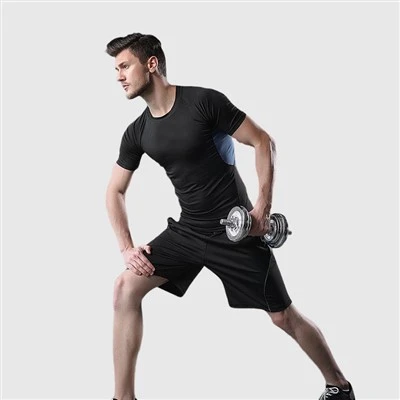
If you’re interested in learning more about our soccer wear lines, including details on our stitching processes, durability testing results, and custom options for your team, don’t hesitate to reach out to connect for a procurement discussion. We’re happy to share sample swatches, test data, and work with you to find the right gear that fits your needs and budget.
Easy Wear for Men References
- International Soccer Federation (FIFA). (2022). Technical Report on Soccer Apparel Durability and Performance.
- Textile Institute. (2021). Stitch Type Performance in High-Stress Athletic Apparel.
- Journal of Sports Engineering and Technology. (2020). Comparison of Stitch Strength in Soccer Footwear and Apparel.
- American Apparel and Footwear Association. (2023). Performance Care Guidelines for Athletic Stitching.
- U.S. Youth Soccer Association. (2022). Uniform Durability Standards for Amateur Teams.
Faust Garment Co., Ltd.
As one of the most professional soccer wear manufacturers and suppliers in China, our products have good reputation in the market. We warmly welcome you to buy high quality soccer wear made in China here from our factory. Also, custom service is available.
Address: 6th Floor, North Wing of Hengxin Building, No.9, Chifeng Road, Quanzhou City, Fujian, China.
E-mail: Kathywang@faustgarment.com
WebSite: https://www.faustsport.com/
