When I started my career as a water treatment chemicals supplier 12 years ago, I’ll admit I knew very little about the delicate balance of aquatic life below the surface. Back then, my focus was simple: provide businesses with the chemicals they needed to keep their operations running smoothly—reduce corrosion in pipes, control scale buildup, ensure compliance with discharge regulations. It took a casual conversation with a local biologist at a community water symposium to shift my entire perspective. She told me, “Every chemical you add to a water system doesn’t just disappear when it leaves your facility. It has a story in the rivers, lakes, and streams it ends up in.” That conversation stuck with me, and over the years, it’s become the foundation of how I do business today. Water Treatment Chemicals
The truth is, water treatment chemicals play a dual role when it comes to aquatic life. On one hand, they can be a lifeline—preventing waterborne pathogens from spreading, reducing the risk of toxic algal blooms that starve water of oxygen, and protecting infrastructure that keeps communities’ water safe. On the other hand, when misused, poorly regulated, or discharged in excess, these same chemicals can disrupt entire aquatic ecosystems, harming fish, invertebrates, and the smallest organisms that form the base of the food chain. As a supplier, I see both sides every single day, and my job isn’t just to sell a product—it’s to help clients use those products responsibly.
Let’s start with the good, because too often the conversation about water treatment chemicals only focuses on the negative. Take disinfection chemicals, for example. Chlorine and chloramines are among the most widely used in municipal water systems and industrial facilities. Without them, water would be a breeding ground for bacteria like E. coli and Legionella, which can cause life-threatening illnesses in humans. But when used correctly, they don’t just protect people—they protect aquatic life, too. Pathogens in waterways can infect native species, weaken populations, and even cause mass die-offs that ripple through the ecosystem. By controlling those pathogens, we’re helping to keep aquatic communities healthy.
Then there are scale and corrosion inhibitors, another staple of our product line. Industrial facilities like power plants, food processing plants, and manufacturing operations rely on these chemicals to keep their pipes and equipment from deteriorating. If pipes corrode, they can leach heavy metals like lead and copper into water systems—toxic metals that are fatal to many fish and amphibians even in small concentrations. Similarly, scale buildup in pipes restricts water flow, leading to overheating in industrial equipment, which can cause thermal pollution when hot water is discharged into natural bodies of water. Thermal shock can kill fish instantly, especially young and sensitive species. Scale inhibitors prevent that buildup, reducing the need for energy-intensive cleaning processes and lowering the risk of thermal pollution.
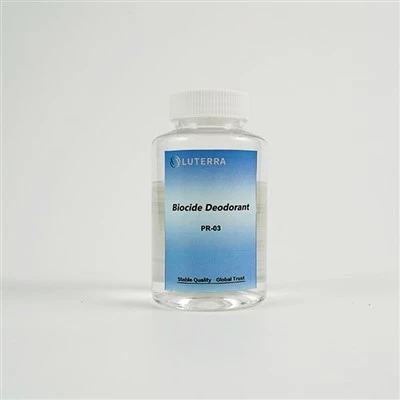
We also offer biocides tailored to control invasive species in water systems. Invasive zebra mussels, for instance, attach to pipes and intake structures, clogging them and costing millions in damage every year. While dealing with them in our own systems is critical, we work with clients to ensure the biocides we provide target only the invasive species, not native ones. That specificity is key—many older biocides were broad-spectrum, killing any organism they came into contact with. Today’s formulations, which we prioritize as a supplier, are designed to be selective, minimizing harm to non-target aquatic life.
But I’d be remiss not to talk about the risks, because they’re real, and they’re something we take extremely seriously. The problem starts with how water treatment chemicals are applied and discharged. For example, excess chlorine or chloramine that’s not neutralized before discharge can be toxic to fish and aquatic invertebrates. A study from the Environmental Protection Agency (EPA) found that even low levels of residual chlorine (parts per million, or ppm) can damage fish gills, impairing their ability to breathe and reproduce. Small crustaceans, which are a food source for larger fish and birds, are even more sensitive—exposure to just 0.05 ppm of chlorine can kill 50% of a zooplankton population in a matter of days. That’s a big deal because zooplankton are the base of the aquatic food web; remove them, and the entire ecosystem collapses.
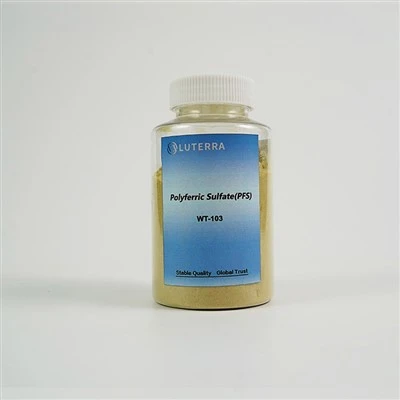
Another area of concern is metal-based chemicals, like flocculants used to remove solids from wastewater. Some older flocculants contain aluminum, which at high levels is toxic to fish. In acidic water, aluminum leaches from sediments and can cause gill damage, leading to respiratory failure. I’ve seen clients over-apply flocculants because they thought more would mean cleaner water, but what they didn’t realize was that the excess aluminum was washing into nearby streams and killing native minnow populations. That’s why we prioritize non-metal, biodegradable flocculants now, and work closely with clients to calculate the exact amount they need, so there’s no excess left to discharge.
Even nutrients, which are sometimes added as part of biological treatment processes, can go wrong. Wait, nutrients? I know that sounds counterintuitive—nitrogen and phosphorus are essential for plant growth, right? But in aquatic systems, too much of either causes eutrophication. Excess nutrients trigger algal blooms, some of which are toxic to fish, mammals, and birds. When the blooms die, bacteria break them down, using up all the oxygen in the water, creating “dead zones” where no aquatic life can survive. The Gulf of Mexico’s dead zone, which spans thousands of square miles every summer, is partially caused by excess nutrients from agricultural and industrial wastewater, much of which is treated with chemicals that can contribute to nutrient loading when not properly removed. As a supplier, we help our clients use controlled-release nutrients in biological treatment, so they’re not adding more than the ecosystem can handle.
What I’ve learned over the years is that the line between “helpful” and “harmful” isn’t the chemical itself—it’s how it’s used. That’s why we don’t just sell chemicals; we offer technical support, too. A few months ago, a small food processing plant in our area was using a standard scale inhibitor that was accidentally getting into their discharge and harming the local crayfish population. They didn’t even know it—they thought the inhibitor was safe because it was approved for industrial use. We sent our in-field technician, who tested the water, reviewed their application process, and worked with them to switch to a biodegradable inhibitor that performed the same job but was non-toxic to crayfish and other aquatic invertebrates. Within a few months, the crayfish population rebounded, and the plant kept their equipment running smoothly. That’s the impact we want to have, not just as a supplier, but as a partner that cares about the entire ecosystem.
I also want to address a common misconception: that all water treatment chemicals are synthetic and bad. That’s not true. Many of today’s most effective products are derived from natural sources—biodegradable surfactants, enzymes, and even plant-based inhibitors. For example, some of our corrosion inhibitors are made from seaweed extracts, which are just as effective as synthetic ones but break down naturally in the environment without leaving harmful residues. We’ve invested a lot in researching these eco-friendly formulations because we know that’s what clients need, and it’s what’s best for aquatic life.
Of course, regulation plays a big role here too. The EPA, as well as similar agencies around the world, sets strict limits on what chemicals can be discharged into waterways, and what levels are safe for aquatic life. But regulations are only as good as their enforcement, and many small businesses struggle to keep up with changing standards. That’s where we come in. We stay up to date on all the latest regulations, test our products for compliance, and help our clients understand what they need to do to meet those standards without compromising their operations.
Last year, we worked with a municipal wastewater treatment facility that was facing fines for excess ammonia discharge. Ammonia, which is a byproduct of wastewater treatment, is toxic to fish in even small amounts. The facility had been using a traditional chemical process to remove ammonia, but it was costly and wasn’t reducing levels enough. We suggested a combination of a specialized ammonia-digesting enzyme (natural, biodegradable) and a small dose of a selective biocide to control bacteria that produced excess ammonia. Within six months, the facility’s ammonia levels were well below the regulatory limit, they cut their chemical costs by 15%, and local fish populations in the nearby river started to recover. I received a photo from the facility’s manager of a group of kids fishing in the river, and that’s when I knew we were doing something right.
But it’s not all smooth sailing. There are still challenges, like emerging contaminants in water systems. For example, microplastics from synthetic wastewater treatment chemicals, or long-lasting residues that accumulate in sediment over time. New research is showing that even small, chronic exposure to these chemicals can have long-term effects on aquatic life—like reduced reproductive capacity in fish, or behavioral changes that make them more vulnerable to predators. That’s why we’re investing in research and development to create chemicals that not only perform well but also leave no lasting trace in the environment. We test all our products for biodegradability and environmental persistence, and we publish those results for our clients, so they can make informed choices.
At the end of the day, as a water treatment chemicals supplier, my responsibility is to balance the needs of our clients—whether they’re running a factory, a municipal plant, or a small business—with the health of the aquatic ecosystems that sustain us all. Every time we help a client reduce their chemical overuse, switch to a more eco-friendly product, or adjust their discharge process to minimize harm to aquatic life, we’re not just selling a service—we’re protecting the rivers, lakes, and streams that future generations will depend on.
If you’re a business owner, facility manager, or anyone who works with water treatment and wants to make sure you’re using chemicals in a way that’s effective and kind to aquatic life, I’d love to talk. We can review your current process, answer any questions you have about our products, and find a solution that works for both your operations and the environment. Don’t hesitate to reach out.
Dispersing Agent & Pulp Defoamer References
- U.S. Environmental Protection Agency. (2022). Aquatic Life Ambient Water Quality Criteria for Chlorine. EPA-822-R-22-005.
- International Water Association. (2021). Sustainable Water Treatment Chemicals: Balancing Performance and Environmental Impact. IWA Publishing.
- Journal of Aquatic Ecosystem Health. (2020). The Effects of Excess Nutrient Discharge on Freshwater Aquatic Food Webs. Volume 19, Issue 3, pp. 217-232.
- World Health Organization. (2019). Guidelines for Drinking-Water Quality, 5th Edition. WHO Press.
- Environmental Science & Technology. (2023). Biodegradable vs. Synthetic Water Treatment Chemicals: A Comparative Analysis of Aquatic Toxicity. Volume 57, Issue 12, pp. 4789-4801.
Luterra Advanced Materials Co., Ltd.
We are one of the most experienced water treatment chemicals manufacturers and suppliers in China, also support customized service. With a professional production team, we are able to meet the needs of the majority of our customers. Please feel free to buy high quality water treatment chemicals made in China here from our factory.
Address: East End of Jingting Road, Caterpillar Industrial Zone, Qingzhou City, Weifang City, Shandong Province, China
E-mail: info@luterra-chem.com
WebSite: https://www.luterra-chem.com/
