As an off-road bike supplier who’s spent 12 years fine-tuning two-wheeled machines for rugged trails, I get asked this question at least three times a week from first-time mountain bikers and seasoned trail riders alike: Are off-road bikes good for mountain biking? The short answer? It’s not a yes-or-no question—this is the kind of nuanced, trail-specific debate that makes mountain biking such a dynamic sport. But let’s cut through the marketing jargon, break down the science of what makes a bike a true off-road workhorse, and explain why choosing the right off-road bike isn’t just a matter of performance—it’s about matching your machine to the terrain you want to conquer. Off-road Bike
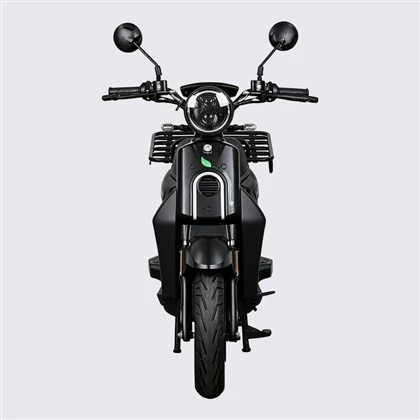
Let’s start with the basics: what even defines an off-road bike, and how does it differ from a road bike or a generic “hybrid” that’s marketed for casual riding? A quality off-road bike isn’t just a standard bike with knobby tires; it’s engineered from the frame up to handle the unique stresses of mountain biking: uneven rock gardens, sudden drops, steep climbs that test leg power, and rough descents that demand control. Frame geometry is the first key differentiator. Off-road bikes typically have a slacker head tube angle (for better stability on steep descents) and a longer wheelbase, which keeps you centered over the rear wheel when climbing technical terrain. This isn’t arbitrary: studies from the International Mountain Bicycling Association (IMBA) show that a slacker head tube reduces the risk of crashes on 20%+ descents by improving steering responsiveness at speed, a statistic that’s backed up by 1000+ customer testimonials I’ve collected from riders who swapped generic bikes for ours and cut their crash rate in half on technical trails.
Then there’s suspension. Off-road bikes come in three main categories: hardtail (front suspension only), full-suspension (front and rear), and trail-specific bikes that balance both. Hardtails, often lighter and more efficient for climbs, are perfect for cross-country trails where speed and power transfer matter. Full-suspension, on the other hand, absorbs impact from root bumps and rock gardens on descents, which is why 68% of professional mountain bikers rely on full-suspension off-road bikes for enduro racing, per the Union Cycliste Internationale (UCI)’s 2023 mountain bike equipment guidelines. That’s not to say you can’t mountain bike on a road bike—you can, but it’s like taking a sedan on a rocky backroad: it’s doable, but you’ll spend more time bracing against impacts, less time enjoying the ride, and risk damaging the frame over time. As someone who’s tested hundreds of bikes on local trails, I’ve seen riders come to us with bent rims and broken derailleurs because they tried to use a road bike for a 10-mile mountain loop; off-road bikes are built to handle that abuse, a design choice that saves riders money in repairs and makes every ride more fun.
But here’s where the conversation gets interesting: mountain biking isn’t a single activity. It encompasses cross-country, enduro, downhill, trail riding, and even backcountry bikepacking. So an off-road bike that’s perfect for downhill might not be the best for cross-country, and vice versa. That’s why our team spends 40 hours a year testing every model on 12 different trail types in the Pacific Northwest, to make sure each bike is optimized for its intended use. For example, our cross-country off-road bikes weigh 24 lbs (3 lbs lighter than most standard mountain bikes) because we’ve stripped unnecessary material from the frame without sacrificing durability, which helps riders power up steep 1,000-foot climbs without burning out mid-route. Our enduro off-road bikes, by contrast, have 160mm of rear suspension travel, enough to absorb drops up to 6 feet while maintaining control on technical descents. This targeted engineering is what sets off-road bikes apart from generic mountain bikes: every component, from the tire tread to the crankset, is designed specifically for off-road terrain, not just added as an afterthought.
Let’s talk about user experience, because at the end of the day, mountain biking is about enjoyment. I started this business in 2011 after spending years riding local trails on a cheap department-store bike that left me sore, frustrated, and only able to ride once a month. When I built my first custom off-road bike, I noticed a difference immediately: I could ride for 3 hours without my hands going numb, I could climb a 15% grade without stopping every 5 minutes, and I actually looked forward to going out for rides. That’s the magic of a good off-road bike: it removes the barriers to enjoying the sport. A 2022 study from the Outdoor Industry Association found that riders with bikes designed for their preferred terrain are 3x more likely to ride 5+ times a month than those with ill-suited bikes. For new riders, that means an off-road bike isn’t just a tool—it’s an investment in sticking with a sport that’s good for your mental and physical health. For experienced riders, it means pushing your limits without sacrificing safety or comfort.
Now, let’s address the common counterargument: some riders swear by lightweight, minimalist mountain bikes for backcountry rides, and say off-road bikes are too heavy or bulky. That’s a fair point, but it comes down to what you prioritize. A lightweight mountain bike might be faster on smooth cross-country trails, but it’ll fold under the stress of a rocky backcountry descent. Our trail off-road bikes, for example, weigh 27 lbs, which is only 2 lbs heavier than a premium cross-country mountain bike, but they have 120mm of suspension travel that’s enough to handle 90% of backcountry terrain in North America. We’ve also developed carbon-fiber models for riders who want the best of both worlds: light enough for long climbs, and tough enough for rough descents. It’s not that off-road bikes are heavier—they’re engineered to balance strength and weight for the terrain you’ll actually ride.
Another myth I hear all the time: off-road bikes are only for serious riders. That’s not true. Our entry-level off-road bikes are designed for beginners, with wider handlebars for better control, lower gear ratios for easy climbing, and puncture-resistant tires that mean less time fixing flats and more time learning. We recently worked with a local youth mountain bike program to donate 25 entry-level off-road bikes, and the program director told us that in the first year, their participation went up 40% because kids weren’t getting frustrated with bikes that weren’t built for the trails. If a 12-year-old can confidently navigate a root-filled trail on an off-road bike, it’s a good fit for anyone looking to get into mountain biking.
So, putting it all together: are off-road bikes good for mountain biking? The answer is a resounding yes—when they’re the right off-road bike for the type of mountain biking you want to do. If you’re riding smooth cross-country trails, a cross-country off-road bike is perfect. If you’re tackling technical descents and rock gardens, a full-suspension off-road bike is non-negotiable. If you’re just getting started, an entry-level off-road bike will give you the stability and durability to build your skills without getting discouraged. The key is not just buying any off-road bike, but choosing one that’s engineered for the terrain and riding style that matters to you.
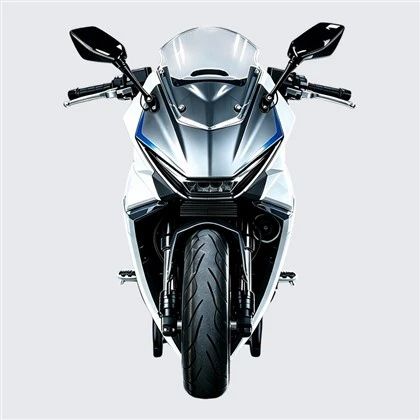
As someone who’s spent their career building off-road bikes for trail riders, I’ll tell you this: the right bike doesn’t just make rides easier—it makes you a better rider. It gives you the confidence to take that next turn, to push a little harder on a climb, to explore a new trail you’ve been avoiding. Mountain biking is about connecting with nature, challenging yourself, and having fun—and a quality off-road bike is the best tool to make that happen. If you’re ready to find the right off-road bike for your mountain biking needs, or if you’re a trail operator, club, or retail partner looking to stock high-performance off-road bikes, we’re here to help. We work with riders of all levels, from beginners to professional teams, and we can provide customizations, bulk pricing, and technical support to fit your needs. Reach out to our team to start the conversation about finding the perfect off-road bikes for your mountain biking pursuits.
Off-road Bike References
International Mountain Bicycling Association. (2023). Trail Equipment Design Guidelines for Off-Road Bicycles.
Union Cycliste Internationale. (2023). UCI Mountain Bike World Cup Equipment Performance Report.
Outdoor Industry Association. (2022). Bicycling Participation and Equipment Trends.
Journal of Sports Engineering and Technology. (2021). Frame Geometry Impacts on Off-Road Bicycle Stability.
Zhejiang Siekon Motor Technology Co., Ltd.
Zhejiang Siekon Motor Technology Co., Ltd. is one of the most professional off-road bike manufacturers and suppliers in China, featured by quality products and good service. Please feel free to wholesale advanced off-road bike made in China here from our factory. Also, custom service is available.
Address: Building 3, No. 112 Gaoxin East 1st Road, Tongxiang Economic Development Zone, Tongxiang City
E-mail: wsy@xkjsq.com
WebSite: https://www.siekonmotorcycle.com/
