If you’ve installed PVC wall panels in a commercial kitchen, bathroom, laundry room, or basement, chances are you’ve noticed mold starting to grow in hidden corners before you even see it. As a PVC wall panel supplier who’s worked with contractors, property managers, and homeowners for over a decade, I’ve heard the same frustration time and time again: people love PVC panels for their durability, moisture resistance, and easy maintenance, but when mold takes hold, it feels like a stain that won’t budge—and worse, it threatens the long-term performance of the panels you invested in. Let me walk you through what you actually need to do to safely, effectively remove mold from PVC wall panels, plus tips to keep it from coming back. PVC Wall Panel
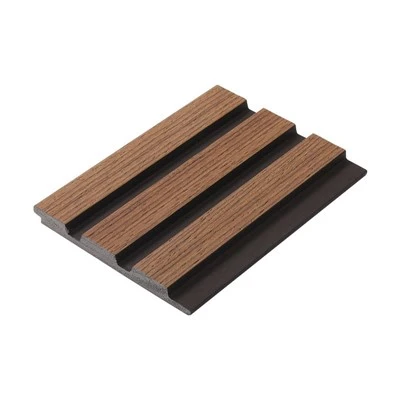
First, let’s get one thing straight: PVC panels are not porous like drywall, wood, or tile grout. That’s why they’re such a popular choice for high-moisture spaces—mold can’t sink roots deep into the material, which means surface mold is manageable if you act right away. The mistake most people make is reaching for harsh cleaners that damage the panel’s glossy finish or leave behind residue that feeds future mold growth. I’ve seen too many clients use undiluted bleach, scrub too hard, or skip the drying step, and end up with faded panels or mold that comes back within a month. Let’s break this down step by step, so you get results without ruining your panels.
First Step: Prep the Area and Gather Your Supplies
Before you start cleaning, safety is non-negotiable. Mold spores can irritate your lungs, eyes, and skin, especially if you’re dealing with a larger area of growth. Even though it’s on PVC, still take these simple precautions: turn off any fans or HVAC systems in the space to avoid spreading spores to other parts of the building, open all windows and doors for cross-ventilation, put on rubber gloves, safety goggles, and a N95 respirator mask. You don’t need fancy, expensive supplies—most are things you probably already have at home. Here’s what you’ll need:
- Mild dish soap (unscented is best, since scented soaps can leave residue)
- Distilled white vinegar (not apple cider vinegar, which will leave a sticky film)
- Baking soda (for extra scrubbing power and deodorizing)
- Spray bottles (one for the vinegar solution, one for diluted soap)
- Soft-bristled brush or microfiber cloth (never use steel wool or rough scrub pads—they’ll scratch the panel’s surface)
- Old towels or a damp mop (for drying afterward)
- A spray bottle of plain water for rinsing
Wait—you might be wondering: is bleach okay to use here? Short answer: no, not usually. Bleach kills mold on the surface, but it doesn’t prevent it from coming back, and it can discolor or dull PVC panels over time, especially if you use it on a regular basis. It also mixes poorly with other common cleaners (like ammonia) to create toxic fumes, which is a huge safety risk. I only recommend bleach if you’re dealing with an extremely stubborn, large mold patch, and even then, you should dilute it to a 10% solution (one part bleach to nine parts water) and rinse thoroughly afterward. For most small, surface mold spots, vinegar works far better.
Step-by-Step Mold Removal Process for PVC Wall Panels
Let’s start with the most gentle, effective method for regular surface mold: the vinegar and baking soda method. This is what I recommend to residential clients and commercial installers alike, and it’s safe for all types of PVC panels we supply (from smooth glossy to textured wood-grain finishes).
-
Pre-Treat the Mold Spot
First, spray the full mold area generously with distilled white vinegar. You don’t need to dilute it—full-strength vinegar’s acidity cuts through mold’s cell walls without scratching the PVC or leaving harsh chemicals behind. Let the vinegar sit for 10 to 15 minutes. This gives it time to loosen the mold so you don’t have to scrub as hard. If the mold is in a textured part of the panel (like a faux stone or wood-grain finish), you can use a soft-bristled brush to work the vinegar into the small crevices—just be gentle, so you don’t catch any edges of the texture. -
Scrub and Clean the Surface
After the vinegar has sat, make a paste of baking soda and a tiny bit of water—just enough to make a spreadable consistency, not runny. Apply a thin layer of the paste over the mold spot, then scrub lightly in circular motions with your soft brush or microfiber cloth. Baking soda is a mild abrasive that lifts mold stains without damaging the PVC, and it deodorizes the area so you don’t get that musty mold smell left behind. For light mold, you might only need light scrubbing; for darker, older stains, you can let the baking soda paste sit for another 5 minutes before scrubbing. -
Rinse Thoroughly
Once the mold is gone, spray the area with plain water and wipe it down with a clean microfiber cloth to remove any leftover baking soda or vinegar residue. This step is extra important because leftover residue can attract moisture and feed future mold growth. Don’t skip this— I’ve had clients tell me mold came back a week later, only to realize they left a thin layer of baking soda on the panel. -
Dry Completely
This is the step most people forget, but it’s the single most important step to prevent mold from returning. PVC panels dry quickly, but moisture trapped in corners or under trim can linger. After rinsing, go over the area with a dry towel, then turn on a fan or dehumidifier in the space for at least an hour (or overnight for a bathroom or basement, where humidity is high). If the mold is on a panel near a shower or sink, you can also wipe down the surrounding area to remove any excess condensation that might have contributed to the mold growth.
For a slightly deeper clean on larger mold patches (like a 2×2 foot area on a basement panel), you can swap the baking soda paste for a diluted dish soap solution. Mix two drops of mild, unscented dish soap with a cup of warm water, apply it to the mold spot, let it sit for 5 minutes, then scrub and rinse as above. This works well if the mold is a bit more stubborn, and it’s gentle on PVC panels.
When to Call a Professional
Mold can sometimes be a sign of a bigger problem, not just a surface issue. If you have mold covering more than 10 square feet of your PVC panels, or if the mold has spread behind the panels (you’ll notice musty smells even after cleaning, or soft spots in the wall), that means there’s hidden moisture in the wall cavity, not just on the panel surface. PVC panels are designed to resist moisture, but if your wall behind them has constant leaks or high humidity, mold can grow in the gaps. In that case, it’s best to call a mold remediation specialist before attempting to clean it yourself—trying to scrub hidden mold will only spread spores, and you could end up with a more serious infestation.
Pro Tips to Prevent Mold from Coming Back
Once you’ve removed the mold, you don’t want to go through that again. As someone who’s worked with PVC panels for years, these are the tips I share with all my clients to keep mold away:
- Control humidity levels: PVC panels resist moisture, but they don’t eliminate it. Keep indoor humidity between 30% and 50%—you can use a dehumidifier in basements, laundry rooms, or bathrooms, or install vent fans in kitchens and bathrooms that run for 20 minutes after each use. I’ve had so many clients who had mold issues fix just their bathroom fan, and never had mold on their PVC panels again.
- Wipe down panels regularly: It sounds simple, but a quick wipe with a damp microfiber cloth every week removes dirt, dust, and small amounts of condensation before they can lead to mold. You don’t need to use a heavy cleaner—just water is enough, unless you spot a small stain.
- Seal the edges and trim: Even though PVC panels are moisture-resistant, gaps around the edges where panels meet trim or walls can trap moisture. Make sure you use a silicone-based caulk (not latex caulk, which breaks down in moisture) to seal all panel edges, especially in bathrooms, kitchens, and basements.
- Check for leaks regularly: A small pipe leak behind a PVC panel can go unnoticed for months, leading to mold growth. Every few months, check under sinks, around shower fixtures, and in basement areas for any signs of water damage, even if your panels look fine.
Common Mistakes to Avoid
Let’s recap the mistakes I see people make that lead to mold coming back or damaging their PVC panels:
- Using harsh chemicals like undiluted bleach, ammonia, or abrasive cleaners (like scouring powder) that scratch or discolor PVC.
- Skipping the drying step after cleaning—moisture left on panels is a perfect breeding ground for mold.
- Ignoring hidden moisture issues—mold on PVC panels is often a symptom, not the problem itself. If mold keeps coming back, check for leaks or high humidity behind the panels.
- Using rough scrub pads (like steel wool or Brillo pads) that scratch the panel’s surface, which can create small crevices where mold can grow later.
If you’ve tried cleaning mold off your PVC panels and it keeps coming back, or if you’re installing new panels and want to learn more about how to choose the right PVC panels for high-moisture spaces, I’m here to help. As a supplier, I’ve worked with all different types of PVC wall panels, and I can guide you to options that are extra mold-resistant, plus share tailored tips for your specific space (whether it’s a residential bathroom, a commercial break room, or a retail store’s back room).
If you have questions about mold removal, need help choosing the right PVC panels for your project, or want to place an order, feel free to reach out to discuss your needs. We can walk through everything from cleaning tips to panel selection to make sure your space stays mold-free for years to come.
Outdoor WPC Wall Panel References:
- American Industrial Hygiene Association. “Mold Remediation Guidelines for Residential Properties.” 2022.
- National Association of Home Builders. “PVC Wall Panels: Maintenance and Mold Prevention Best Practices.” 2021.
- U.S. Environmental Protection Agency. “Moisture Control and Mold Prevention in Indoor Spaces.” 2023.
- Vinyl Institute. “Care and Maintenance of Vinyl Wall Products for Moisture-Prone Environments.” 2020.
Shandong Fanjie International Trade Co., Ltd.
As one of the most professional PVC wall panel manufacturers in China, we have world-leading production equipment and strong manufacturing capabilities. Please feel free to buy bulk high quality PVC wall panel from our factory. We also accept customized orders.
Address: L4-015 Cross border E-commerce Entrepreneurship Park, Lanshan District, Linyi City, Shandong Province
E-mail: info@lsdec.com
WebSite: https://www.fanzeradecor.com/
