Alright, let’s get right into it. If you’re reading this, you’ve probably wandered into a home renovation rabbit hole—staring at Pinterest boards, scrolling TikTok hacks, and wondering what’s actually worth your time (and cash) for that accent wall you’ve been daydreaming about. I’m gonna cut to the chase: can PS wall panels be used for accent walls? Spoiler alert: hell yeah they can—and I should know, I’ve been supplying these bad boys to contractors and DIYers alike for the last five years. Let me break this down like I would to a buddy over coffee, no fancy jargon, no AI-sounding fluff. PS Wall Panel
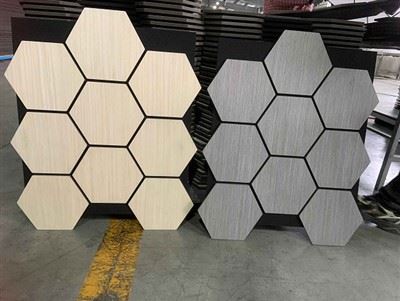
First, let’s make sure we’re all on the same page about what PS wall panels actually are. For anyone who’s never heard the acronym, PS stands for polystyrene—super lightweight, rigid plastic that’s way more durable than it looks. You know those insulated coolers that keep your soda cold for 24 hours? Same material, but molded into decorative shapes that mimic everything from shiplap to carved wood, even tile or stone. I know what some of you are thinking: “Plastic? That sounds cheap.” I get it—when people hear PS, they picture the flimsy takeout containers they throw away after dinner. But trust me, these wall panels are a whole different game.
Let’s start with the big one: functionality. Accent walls aren’t just about looking cool—they need to hold up to daily life. I’ve had customers use these in everything from living rooms (where they get bumped by couch cushions) to kids’ playrooms (where crayon marks and spills are par for the course) even bathrooms (wait, yeah, bathrooms—we’ll get to that). PS panels are moisture-resistant, that’s non-negotiable. Unlike real wood, they won’t warp if you accidentally steam the bathroom too hot, and unlike MDF, they won’t swell if you spill a glass of water on them. I had a client last year who used them in her basement guest bathroom—no mold, no peeling, just like new after two years. That’s a huge win for areas where other materials struggle.
Then there’s the installation. If you’re a DIYer who’s ever hung wallpaper only to spend three nights fixing bubbles, you’ll appreciate this. PS wall panels are basically giant stickers (but way more secure) that you just adhesive directly to your wall. Some are interlocking, so you line them up like a puzzle—no measuring every tiny seam, no cutting perfect miters unless you’re a perfectionist. I’ve seen a homeowner put up a full accent wall in their living room over a weekend, no professional help. Compare that to, say, stone veneer, which is heavy, needs a ton of prep work, and costs an arm and a handyman. PS panels cut that time down by 70% at least, which is massive if you’re trying to check a reno off your list before the weekend is over.
But wait, let’s talk about the fun part: design. That’s what accent walls are all about, right? Making a space feel like you. These PS panels come in every style you can imagine. Want that warm, rustic shiplap look without the splinters and the upkeep? We’ve got that. Fancy a sleek, modern carved geometric design for your home office to make Zoom calls feel more professional? Yep. Even something that looks like marble tile, if that’s your vibe. And here’s the secret: you can paint them, too. They take paint way better than wood or even drywall, so if you want to switch up your accent wall color in three years (no judgment—we all get bored), you don’t have to rip the whole thing down. Just sand lightly, paint, done. I had a customer go from a deep navy accent wall to a soft sage in a day—no demo, no mess. That’s the kind of flexibility most other accent wall materials can’t touch.
Now, let’s get real and talk about the downsides, because I don’t want to sell you something that’s not a perfect fit. First, they’re lightweight, so if you’re hanging heavy art or a big TV on the accent wall, you’ll need to make sure you’re anchoring into the studs, not just the panels themselves. That’s basic wall stuff, but worth mentioning. Second, while they’re super durable for everyday use, they’re not indestructible—if you drop a hammer on one, it’ll crack, same as any rigid material. But honestly, that’s way less likely than scratching or denting wood, and a cracked panel is way easier to replace than a whole section of shiplap. Third, if you’re going for a super high-end, luxury vibe? Pure solid wood or natural stone might feel a bit more premium, but let’s be real—most of us don’t have the budget for that. PS panels give you that look for a fraction of the cost, and barely anyone can tell the difference unless they’re staring at it super close.
I need to share a couple of real customer stories here, because that’s what makes this stuff hit home. Last year, I worked with a single mom who was renovating her teen’s bedroom on a tight budget. She wanted an accent wall for her kid’s gaming setup—something that would look cool, hold up to controller tosses, and not cost a fortune. She went with our wood-grain PS shiplap panels, added a couple of LED strip lights behind them, and it turned out amazing. She told me later that her kid had actually started doing homework in there instead of playing games in his room, because the space felt “grown up” but still fun. Another one: a restaurant owner who used our stone-look PS panels for his entryway accent wall. He said customers kept asking if he’d paid thousands for real stone, and when he told them it was PS, they couldn’t believe it. It’s been two years, and the wall still looks fresh—no stains, no chips, nothing.
Wait, and let’s not forget about energy efficiency? I know that sounds random, but polystyrene is an insulator. If you live in a drafty old house, adding a layer of PS panels to your accent wall can actually help keep a tiny bit of warm or cool air from escaping, which might lower your energy bills a little. It’s not a game-changer, but it’s a nice bonus that no other accent wall material really offers.
Now, let’s clear up a common myth I hear all the time: “PS wall panels are only for new construction.” Nope, not even close. They work on any existing wall—drywall, plaster, even old wallpaper (as long as the wallpaper isn’t peeling off). You just need to make sure the wall is clean, dry, and smooth, and you’re good to go. I’ve had customers put them over 100-year-old plaster walls, no issues. That’s a game-changer if you rent and can’t make big changes, or if you’re in an old home that’s tricky to work with.
Let’s talk about cost, too—because let’s be real, that’s usually the first question after “can I do this?” PS panels are way cheaper than real wood, stone, tile, or even high-quality wallpaper. Depending on the style, you’re looking at $5 to $15 per square foot, versus $20 to $50 per square foot for natural materials. Plus, installation is way cheaper, since you don’t need a pro—so you’re saving on labor too. For most people, that’s the biggest win: you get a stunning accent wall without breaking the bank.
Now, I know some of you are still skeptical, and that’s totally fair. I used to be the guy who side-eyed plastic for home decor too. But after seeing how these panels hold up, how easy they are to work with, and how happy my customers are, I’m a total convert. The key is to get the right panels for your space—don’t buy the cheap no-name ones off Amazon that are thin and flimsy. Stick with reputable suppliers, like… well, ahem, us, that make sure the panels are thick, rigid, and have that realistic texture that doesn’t look fake from three feet away.
If you’re still on the fence, here’s my advice: pick a small, low-stakes accent wall first—like the one behind your bed in the bedroom, or the small wall in your entryway. Test it out, see how easy the installation is, and if you love it, you can do bigger walls later. I’ve had so many customers start small and end up redoing their entire living room, kitchen, even half their basement with these panels. It’s addictive, I get it.
At the end of the day, accent walls are about adding personality to your space without a huge commitment. PS wall panels check every box: they’re durable, easy to install, affordable, look great, and work in almost every room. They’re not the right choice for everyone—if you’re going for that ultra-high-end custom stone vibe and have the budget for it, that’s awesome—but for 90% of homeowners and renters looking for a practical, stylish accent wall? They’re perfect.
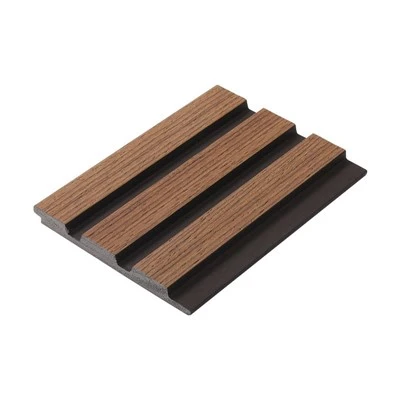
If you’re ready to take the leap, or just have questions about which panels work best for your space, hit us up to chat. No pressure, no salesy pitches, just straight answers about what’ll work for your reno. We’ve got samples you can order for free to test the texture and color, and we’ll walk you through every step of installation if you need it. Don’t overcomplicate your accent wall—PS panels might just be the upgrade you’ve been looking for.
PU Stone References:
- "Polystyrene Wall Panels: A Guide to Durability and Applications" – Interior Design Magazine, 2022
- "Moisture-Resistant Building Materials for Residential Spaces" – Home Renovation Report, 2023
- "DIY Accent Walls: Cost, Time, and Materials Comparison" – This Old House, 2024
Shandong Fanjie International Trade Co., Ltd.
As one of the most professional ps wall panel manufacturers in China, we have world-leading production equipment and strong manufacturing capabilities. Please feel free to buy bulk high quality ps wall panel from our factory. We also accept customized orders.
Address: L4-015 Cross border E-commerce Entrepreneurship Park, Lanshan District, Linyi City, Shandong Province
E-mail: info@lsdec.com
WebSite: https://www.fanzeradecor.com/
