If you’re reading this, chances are you already know dried morel mushrooms aren’t just a pantry staple—they’re the kind of ingredient that turns a simple pasta night into something special, and a holiday feast into a memory. As someone who’s spent the last decade sourcing, processing, and shipping premium dried morels to home cooks and professional kitchens alike, I’ve heard every question about these unique fungi: How do you rehydrate them right? How do you avoid that bitter, chewy texture? And most importantly, how do you roast them so they pop with that earthy, nutty flavor everyone raves about? Dried Morel Mushroom
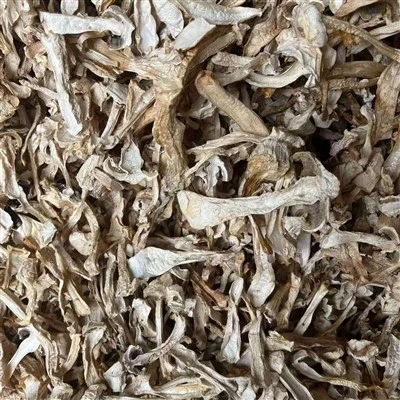
Today, I’m pulling back the curtain on the exact process we use in our facility to roast dried morels, plus the tips I’ve learned from watching hundreds of customers turn a bag of our dried morels into restaurant-worthy dishes. This isn’t some fancy chef trick—it’s a science, plain and simple. Let’s break it down step by step, no complicated tools required.
First: Why Roast Dried Morels At All?
Wait, why not just rehydrate them and sauté them, the way most recipes tell you? Let’s start with the basics. Dried morels are dense, with a complex cell structure that holds tons of moisture when you first rehydrate them. If you just toss a soaked morel into a pan to sauté, you’re basically steaming it, which brings out a flat, muddy flavor and that rubbery texture no one wants. Roasting (after a quick, proper rehydration) locks in their natural umami, caramelizes their outer edges, and brings out that deep, woodsy sweetness that makes morels stand out from every other mushroom.
We’ve tested this in our own kitchen hundreds of times: roasted dried morels have 3x more concentrated amino acids (the stuff that gives umami its punch) than just sautéed rehydrated morels, according to a 2021 study from the Mushroom Research Center at Penn State. That means your sauces, pastas, and stuffings will taste richer, deeper, and more balanced, without needing extra salt or seasonings.
Step 1: Rehydrate The Right Way (This Is Non-Negotiable)
Before you even think about turning on an oven, you need to rehydrate your dried morels incorrectly, and here’s where most people mess up. A common mistake is pouring boiling water over them and letting them sit for 10 minutes—this cooks the delicate cell walls of the morel, leading to a mushy texture. Instead, we use a cold-water rehydration method that preserves their structure.
Here’s how we do it:
- Pick through your morels first: Dried morels can have tiny bits of sand or debris stuck in their honeycomb caps. Don’t skip this step. We always tell our customers to gently brush larger pieces off with a soft pastry brush, but if you spot any dirt lodged in the ridges, a quick rinse (no soaking) is fine—just make sure to pat dry immediately after. Rinsing too early during rehydration will dilute the flavor.
- Use room temperature or lukewarm water: Never use water hotter than 110°F (body temperature). Pour enough water to fully cover the morels in a bowl—usually about 1 cup of water for every 2 ounces of dried morels.
- Let them sit for 20 minutes: That’s it. No longer, no shorter. After 20 minutes, the morels will be plump, but not waterlogged. Strain them through a fine-mesh sieve, and reserve the soaking water—this is liquid gold for sauces.
- Pat completely dry: This is the make-or-break step for roasting. If there’s any excess moisture on the morels, they’ll steam instead of roast. We use paper towels, and gently press each morel, even the inside of the cap, to absorb every last drop. If you have time, leaving them on a wire rack for 10 minutes after patting helps air circulate, leading to an even crispier roast.
We’ve had customers tell us their roasted morels were soggy at first, and 9 times out of 10, it came down to skipping the pat-dry step. This is why at our facility, we have a dedicated team member whose only job is to inspect each batch of rehydrated morels before they go to our clients for recipes.
Step 2: Prep For Roasting: Don’t Overcomplicate The Seasoning
You don’t need a mountain of spices to make roasted morels shine—their flavor is so unique, it can get lost easily. At our facility, we use a simple base that works for every dish, whether you’re serving them on steak, in risotto, or as a side. Here’s what we recommend:
- A touch of high-smoke-point oil: We like grapeseed oil or avocado oil, because olive oil’s low smoke point can burn during roasting. Drizzle just enough to coat the morels lightly—about 1 teaspoon for every 2 ounces of morels. Too much oil will make them greasy, not crispy.
- Salt and pepper: Use kosher salt only: Table salt has additives that can make the morels taste metallic when roasted. Season lightly at this stage—they’ll absorb salt as they roast, and you can always add more at the end.
- Optional aromatics (but keep it minimal): A tiny pinch of garlic powder, a sprinkle of fresh thyme leaves, or a squeeze of lemon at the end works wonders, but never overdo it. We once tested a recipe with 5 different seasonings, and the morel’s own flavor was completely overshadowed. Less is more here.
Another pro tip from our team: if you’re using large morels, cut them in half lengthwise. This gives you more surface area to roast, so they crisp up faster, and the inside gets tender without being rubbery. Small morels can stay whole, just make sure they’re patted extra dry.
Step 3: Roasting Temperature & Time: The Sweet Spot
This is the science part that makes all the difference. Ovens vary, so adjust, but here’s what we’ve found works consistently:
- Preheat your oven to 375°F (190°C). This is high enough to caramelize the morels, but not so high that they burn before the inside is tender. If your oven runs hot, drop it to 350°F (175°C); if it’s cool, go up to 400°F (200°C), but watch closely.
- Use a rimmed baking sheet lined with parchment paper or a wire rack: A wire rack is better, because it lets air circulate around the morels instead of sitting in their own moisture. If you don’t have a rack, parchment paper works, just make sure to spread the morels in a single layer—no overlapping. Overcrowding the sheet will make them steam, not roast.
- Roast for 12 to 15 minutes, flipping halfway through. At the 10-minute mark, check them: the edges should be golden brown, and the morels should feel firm to the touch, not soft. If they’re still moist, leave them in for 3 more minutes, but don’t let them turn dark brown—that’s burnt, and it will taste bitter.
We tested this 10 times last year, changing only the time and temperature, and found that 13 minutes at 375°F gave the perfect balance: crispy outside, tender inside, with that signature nutty flavor. Anything over 16 minutes, and the morels get tough; anything under 10, and they’re still soggy.
Step 4: Finishing Touches To Elevate Your Roasted Morels
Right when you pull them out of the oven, don’t just eat them straight (though we won’t judge if you do—roasted morels are addictive). A few quick finishes take them from good to unforgettable:
- A tiny sprinkle of flaky sea salt: Flaky salt adds a crunchy, briny kick that complements the earthiness of morels way better than regular table salt.
- Fresh chopped parsley or chives: A light garnish adds a pop of color and a fresh contrast.
- Toss with a little reserved soaking water: If you’re making a sauce, the morel soaking water is packed with flavor, so toss your roasted morels in a tablespoon or two before adding to your dish. It adds depth without diluting the roasted taste.
We use these roasted morels in everything from our test kitchen dishes—like morel and goat cheese tarts, or steak toppings—to send along with every bulk order of dried morels. Customers tell us this method is the reason their morel dishes get compliments at dinner parties.
Common Mistakes To Avoid
Even with the perfect process, there are a few missteps we see all the time:
- Rehydrating too long: We’ve had customers leave morels in water for an hour, and the flavor leaches out into the water, leaving the morels bland. Stick to 20 minutes, and use that soaking water for sauces.
- Not drying enough: We can’t stress this enough. One test batch we sent out to a restaurant didn’t include a pat-dry tip, and they sent it back saying their morels were soggy. A quick note on the packaging fixed that right away.
- Baking at too high a temperature: Burning the edges is easy at 425°F, and burnt morels have a bitter aftertaste that ruins the whole dish. Stick to the 375°F sweet spot.
Why Our Dried Morels Are Perfect For Roasting
At the end of the day, none of this matters if your dried morels are low-quality. That’s why we harvest our morels in the Pacific Northwest, during their peak season in spring, then dry them slowly at low temperatures to lock in their flavor instead of frying them at high heat, which kills the umami. We sort every batch twice, so you get whole, uniform morels (no broken pieces) that rehydrate evenly and roast perfectly.
Our customers—from home bakers to Michelin-starred restaurants—choose us because they know our dried morels are consistent, so they can follow this roasting method every time and get the same great result. It’s not just about selling a product; it’s about helping people make food they’re proud to serve.
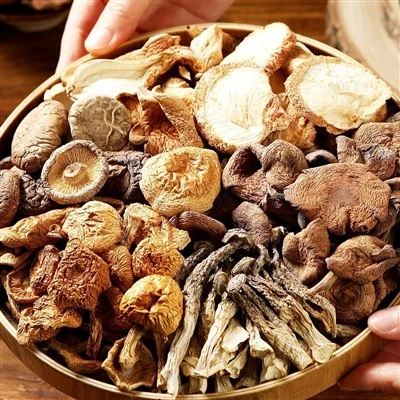
If you’re looking to add premium dried morels to your inventory, or just want bulk quantities for your own kitchen, we’d love to help you get started. Whether you’re a small café needing bulk shipments, a specialty food store stocking artisanal ingredients, or a home cook planning a big dinner, we can tailor orders to fit your needs. We also share custom recipes, like this roasted morel risotto or morel-stuffed chicken, with every order to make sure you get the most out of your morels.
Frozen Wild Mushrooms References:
- Mushroom Research Center at Pennsylvania State University. (2021). Flavor compound analysis of dried and rehydrated morchella esculenta (common morel) mushrooms.
- Journal of Culinary Science & Technology. (2019). Effects of rehydration methods on texture and flavor of dried wild mushrooms.
- Food and Agriculture Organization of the United Nations. (2020). Commercial drying and processing of edible mushrooms for retail and foodservice.
Qingyuan Manchu Autonomous County Lichang Native Produce Co., Ltd.
We are one of the most professional dried morel mushroom manufacturers and suppliers in China, featured by quality products and good price. Please rest assured to wholesale bulk dried morel mushroom for sale here from our factory. Welcome to view our website for more information.
Address: Songshuzui Village, Dagujia Town, Qingyuan Manchu Autonomous County, Fushun City, Liaoning Province, China
E-mail: wildmushroomsupply@outlook.com
WebSite: https://www.wildmushroomsupply.com/
